10 Industrial IoT Applications Beyond Smart Factories
The Industrial Internet of Things (IIoT) is transforming industries far beyond traditional manufacturing. By connecting sensors, smart meters, industrial gateways, and cloud platforms, IIoT enables real-time monitoring, remote operations, predictive maintenance, and smarter energy management.
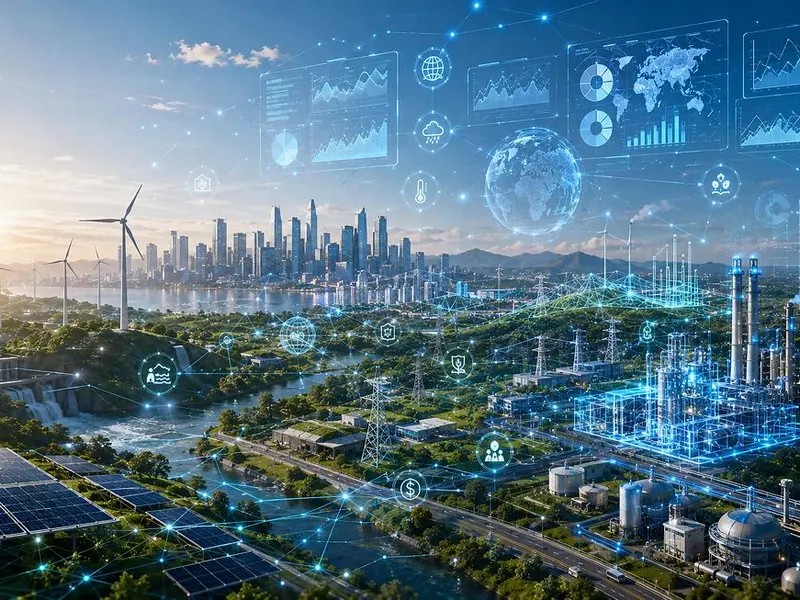
From power distribution to smart buildings, IIoT helps businesses improve operational efficiency, cut maintenance costs, and use industrial data better.
Here are 10 key industries where IIoT is making a difference.
1. Smart Power and Renewable Energy
IIoT connects substations, power distribution systems, solar farms, wind turbines, and energy storage facilities. It enables real-time monitoring of voltage, current, temperature, and equipment status, supporting remote inspections, fault alerts, and energy management.
2. Smart Water Management
Water treatment plants, pumping stations, and distribution networks use IIoT to monitor pressure, flow, water quality, and leakage. Remote monitoring and automated control help reduce water losses, improve operational efficiency, and minimize manual inspections.
3. Smart Agriculture and Livestock Farming
IIoT sensors monitor temperature, humidity, soil conditions, water quality, and other environmental parameters. Automated irrigation, ventilation, and feeding systems help improve agricultural productivity while reducing water and energy consumption.
4. Smart Mining
Mining operations use IIoT to monitor underground gas levels, dust, water levels, equipment conditions, and personnel safety. Remote monitoring and predictive maintenance help reduce operational risks and improve equipment reliability.
5. Oil and Gas
In oil and gas facilities, IIoT monitors pipeline pressure, leakage, valve conditions, and storage tank levels. Remote monitoring and alarm systems help improve safety and reduce the need for manual inspections in hazardous environments.
6. Smart Buildings and Industrial Energy Management
Commercial buildings, industrial parks, and large facilities use IIoT to monitor HVAC systems, lighting, pumps, fans, and electrical distribution equipment.
By collecting data on energy consumption, temperature, and equipment operation, businesses can optimize equipment performance, identify energy-saving opportunities, and reduce electricity costs.
7. Construction Machinery and Industrial Equipment
IIoT enables remote monitoring of equipment such as cranes, compressors, boilers, elevators, and generators. Operating data, vibration, temperature, and running hours can support fault alerts, maintenance scheduling, and asset management.
8. Smart Municipal Infrastructure
Smart street lighting, drainage networks, heating systems, and flood monitoring stations benefit from wireless connectivity and centralized management. Technologies such as 4G and LoRa enable communication with geographically distributed equipment.
9. Light Manufacturing
Textile, printing, rubber, and plastics industries use IIoT to connect production equipment and collect operating data. Monitoring speed, temperature, production status, downtime, and energy consumption helps improve productivity and equipment management.
10. Industrial Refrigeration and Cold Chain
IIoT supports temperature monitoring, equipment status tracking, and energy management in cold storage facilities, food processing plants, and refrigeration systems. Remote monitoring and abnormal-condition alerts help maintain operating conditions and reduce unexpected downtime..
How HEYUAN Supports Industrial IoT Applications
A reliable IIoT system requires more than connected devices. It needs accurate data acquisition, stable communication, efficient processing, and centralized management.
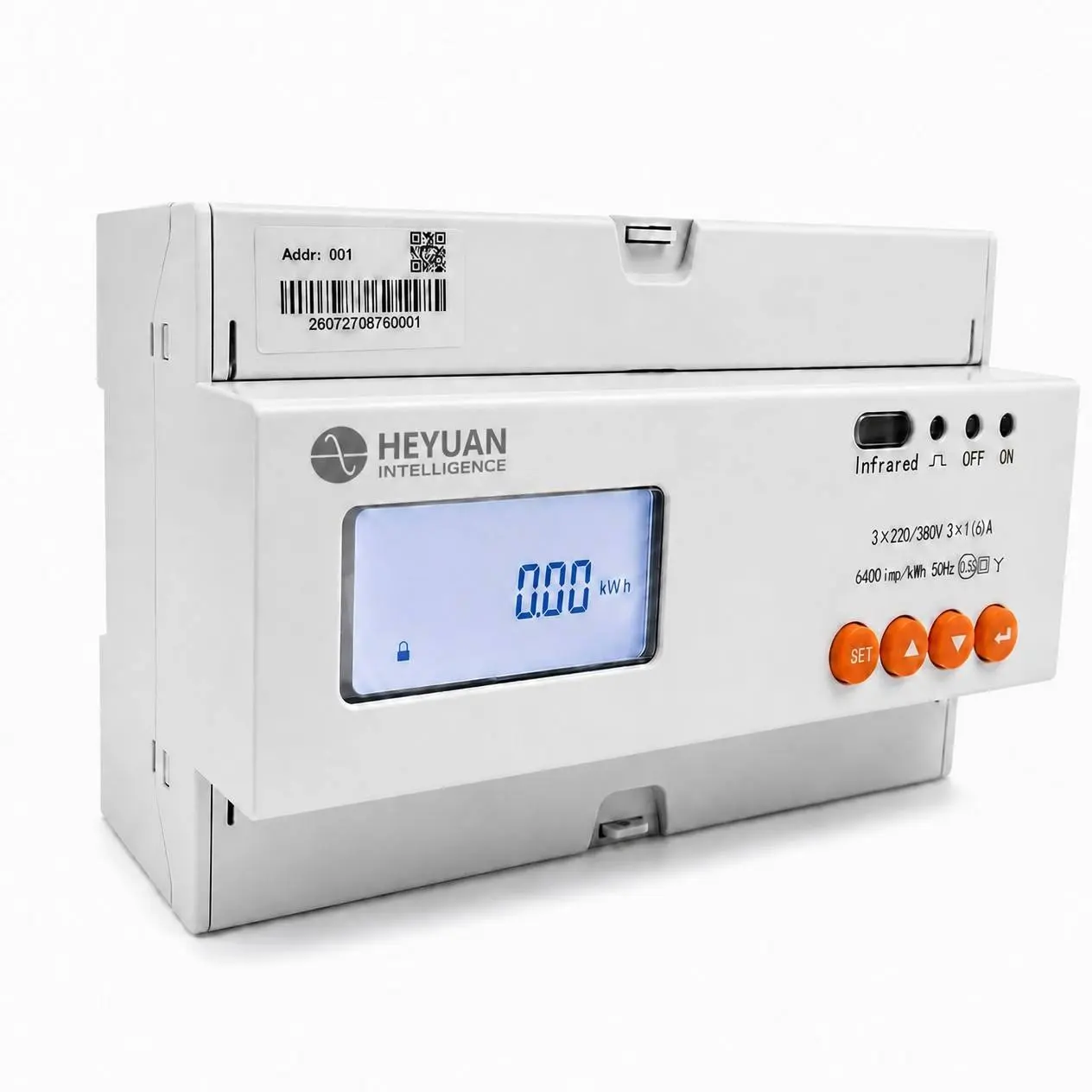
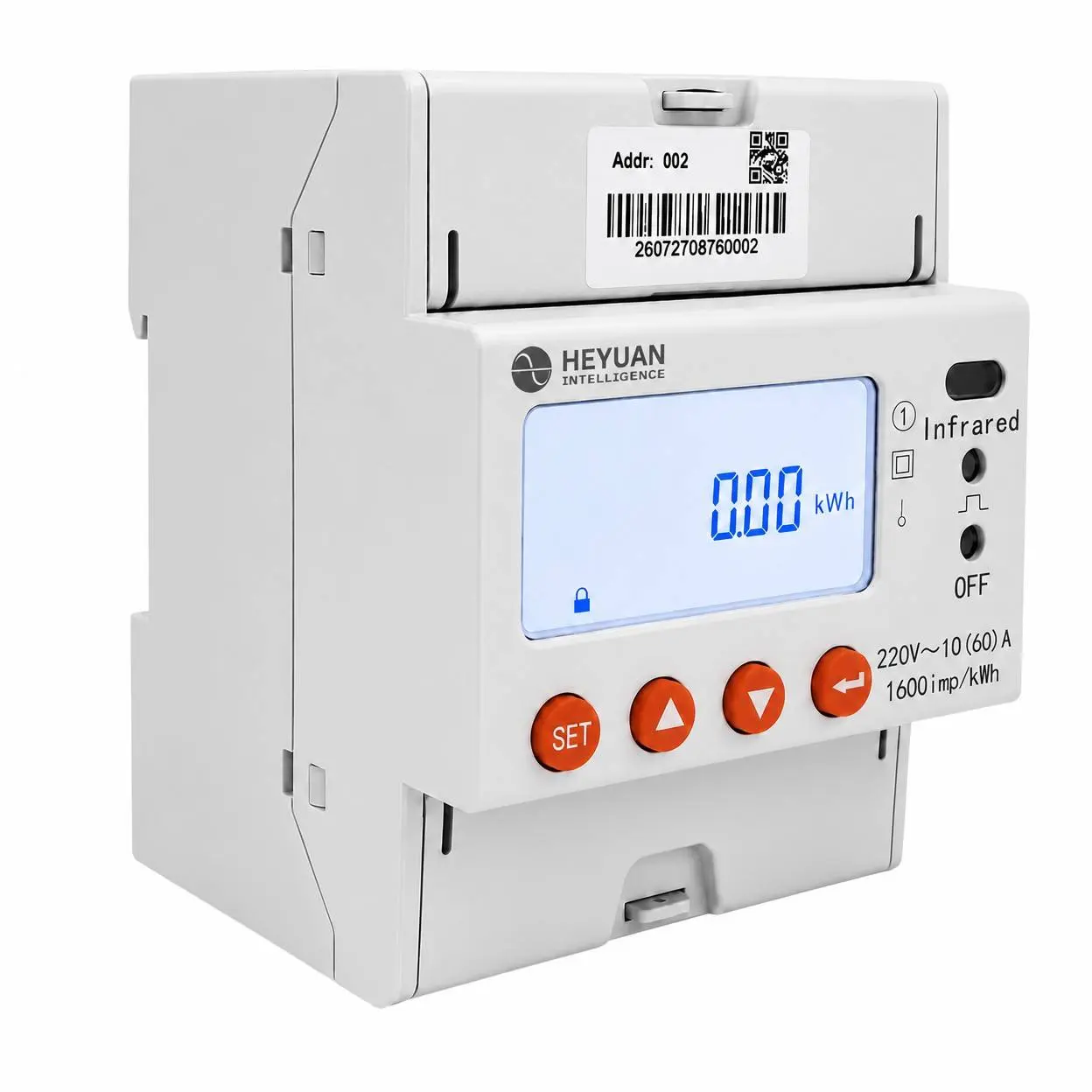
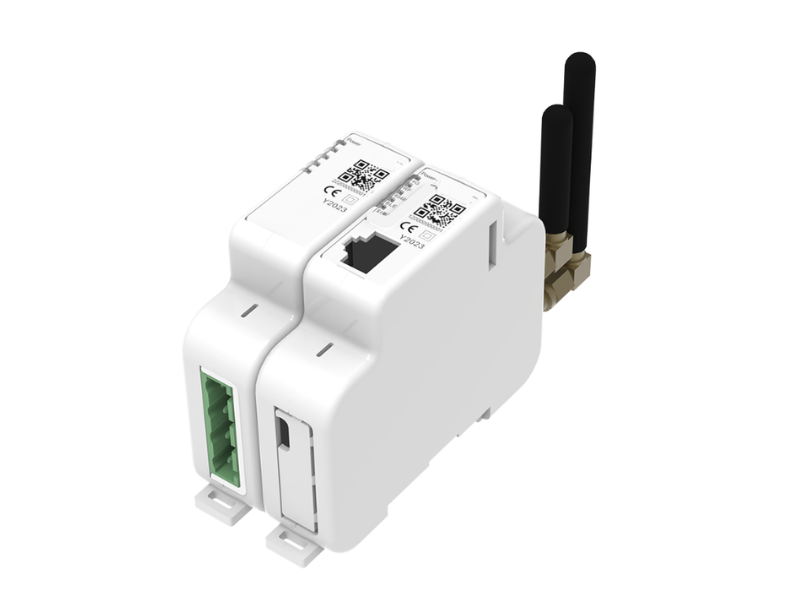
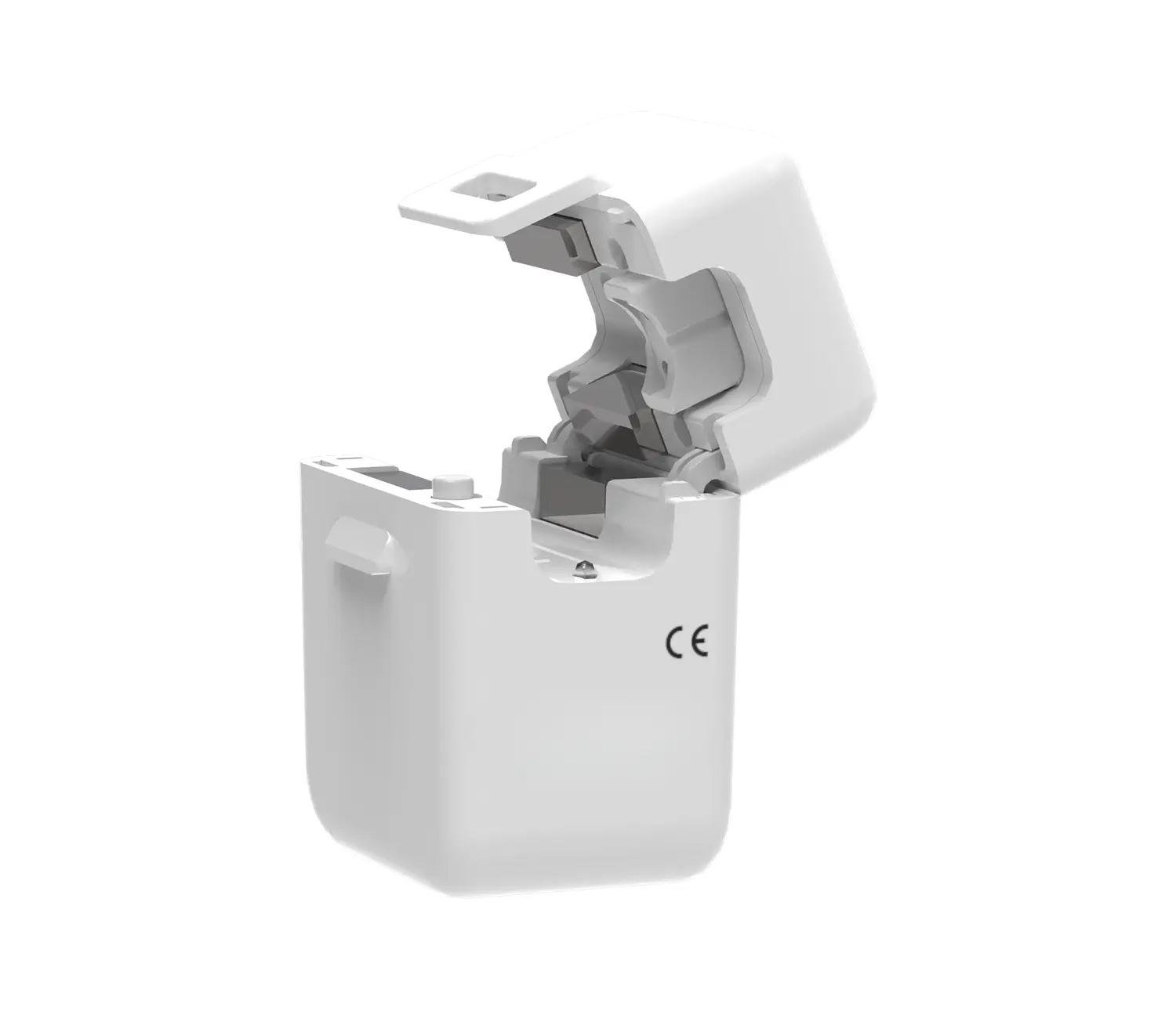
HEYUAN provides intelligent metering products, industrial communication gateways, wireless data transmission solutions, and energy management platforms to support different industrial monitoring and automation requirements.
Key capabilities include:
·Smart Metering: Collect electrical parameters and energy consumption data.
·Industrial Gateways: Connect field devices and integrate industrial data.
·Wireless Communication: Support distributed monitoring through technologies such as LoRa and 4G, depending on the selected products.
·Energy Management: Centralize energy data and support analysis and operational optimization.
Conclusion: IIoT Is Connecting More Industries
IIoT is no longer limited to smart factories. Any industry involving distributed equipment, remote monitoring, operational safety, or energy management can benefit from connected industrial technologies.
By combining smart meters, industrial gateways, wireless communication, and cloud platforms, businesses can build more efficient and intelligent industrial systems.
Looking for an Industrial IoT Solution?
Contact HEYUAN to discuss your device connectivity, data acquisition, communication, and energy management requirements. Our team can help explore a suitable solution for your application.

Share




Leave a Message
Your email address will not be published.
Posts
Products