Smart City IoT Metering: How Remote Meter Reading Enables Digital Energy Management
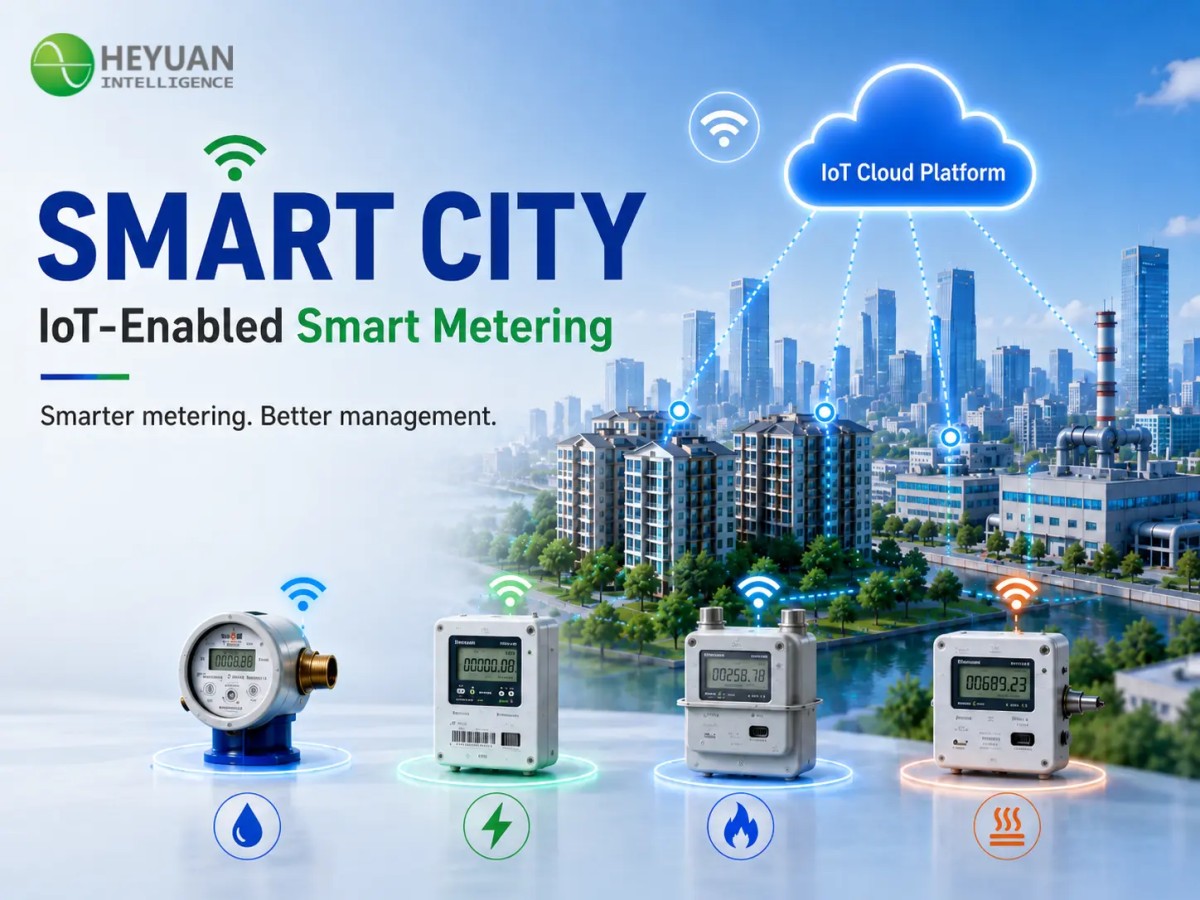
Meter reading for electricity, water, gas, and heat is a fundamental part of facility, utility, and energy management. In residential communities, industrial parks, commercial buildings, factories, and municipal facilities, accurate consumption data is essential for billing, operational management, and energy-saving initiatives.
However, many projects still rely on traditional manual meter reading. Staff must visit buildings, workshops, or individual apartments to record meter values one by one. This process is time-consuming, labor-intensive, and vulnerable to missed readings, transcription errors, and estimated data. Paper-based records can also be difficult to store, search, and maintain over long periods.
More importantly, manual meter reading provides data only at specific intervals. If a water leak, abnormal electricity consumption, or other energy-related issue occurs between two meter-reading cycles, operators may not discover it until days or even weeks later.
With the development of IoT technology, smart metering and remote meter reading are changing the way organizations collect, manage, and analyze utility consumption data.
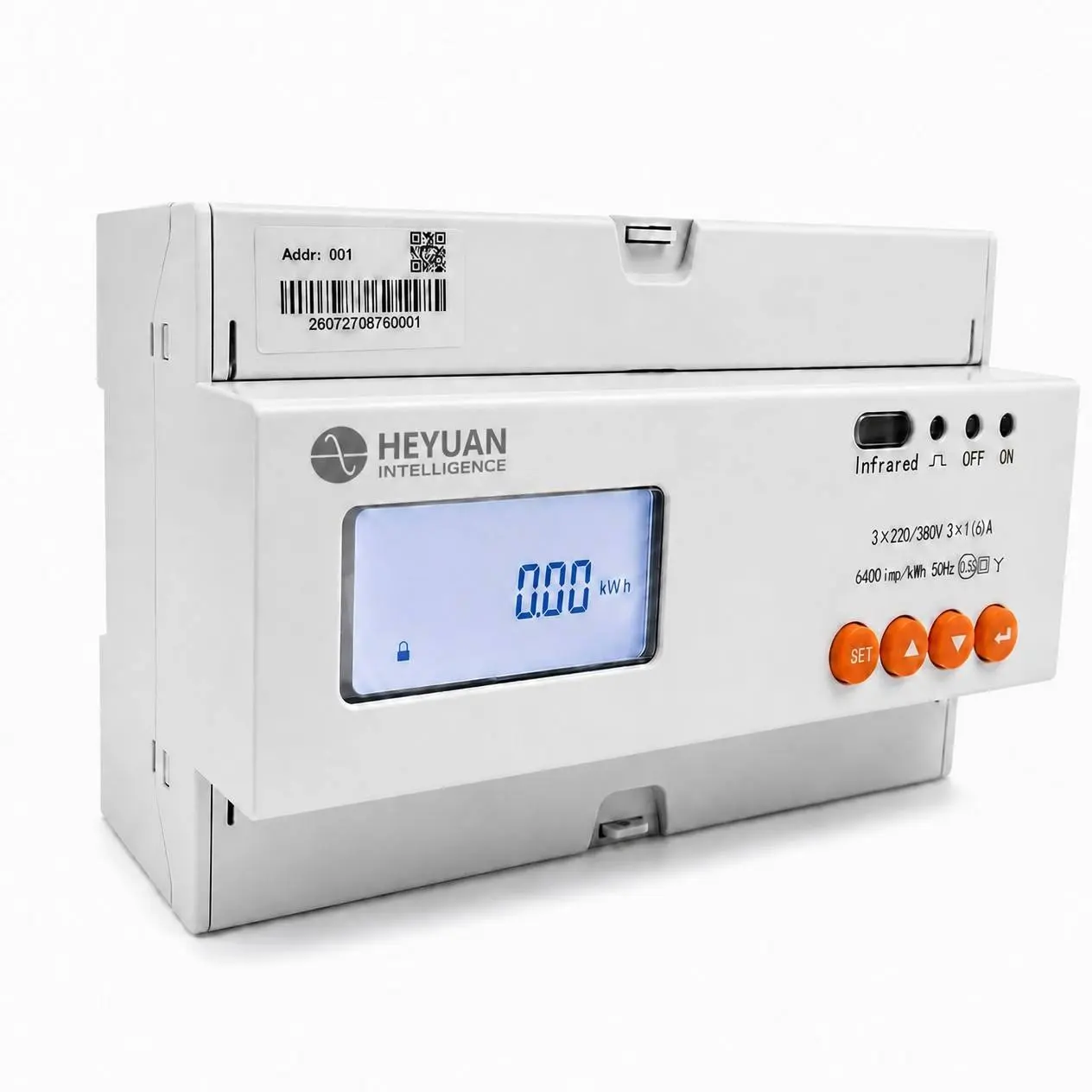
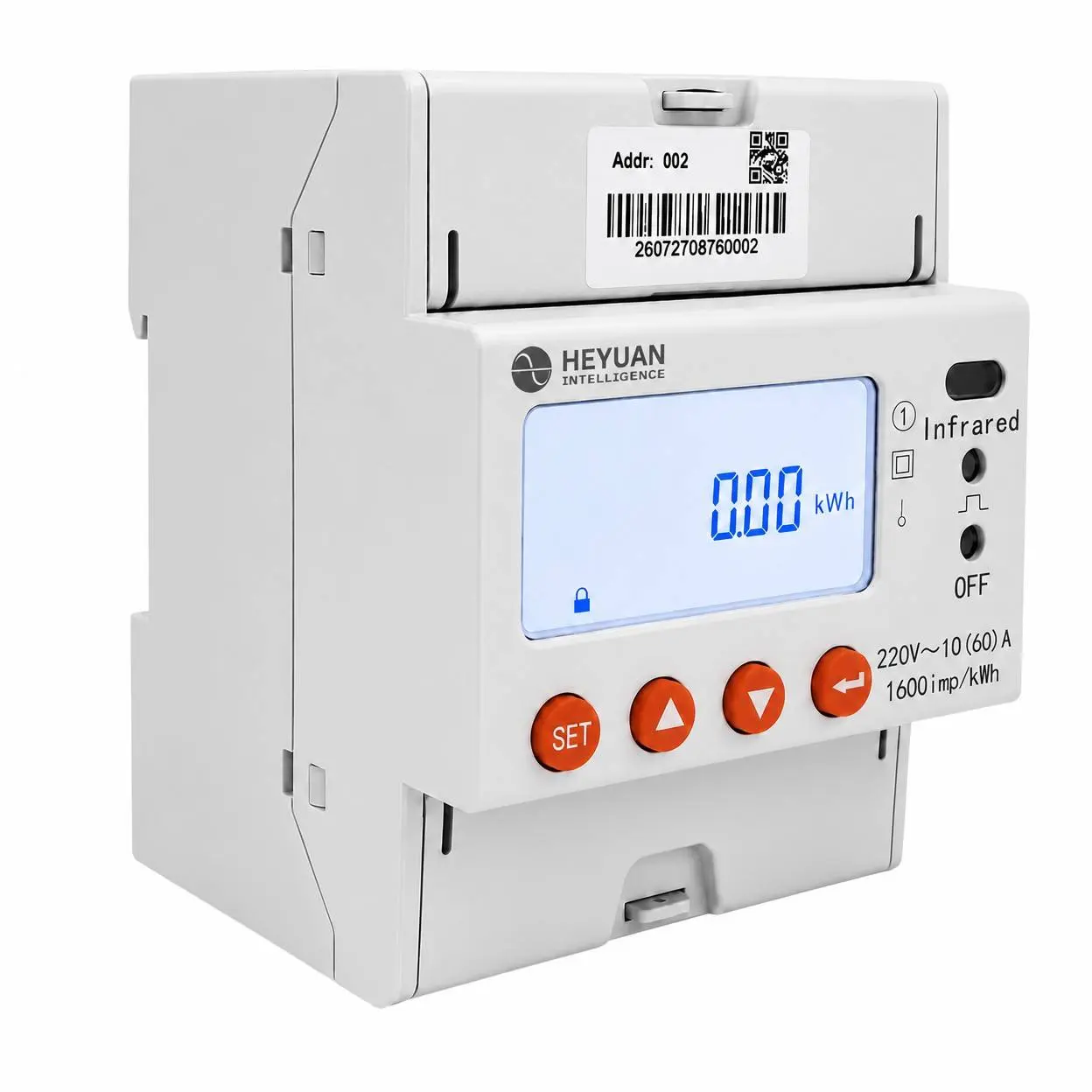
Heyuan Intelligence provides an IoT-based smart metering solution that integrates metering devices, data acquisition, communication networks, and a cloud-based management platform. Electricity, water, gas, and heat consumption data can be collected automatically at scheduled intervals or in near real time, transmitted remotely, stored centrally, and analyzed through PC or mobile applications.
The result is a more efficient, transparent, and data-driven approach to utility and energy management.
From Manual Meter Reading to IoT Smart Metering
Traditional meter reading typically requires technicians or property management staff to visit each meter location individually. In projects with hundreds or thousands of meters distributed across multiple buildings, the workload can quickly become significant.
IoT smart metering replaces most of this manual process with automated data acquisition.
Meters installed throughout the site connect to smart data collectors or communication gateways through interfaces such as RS485. Depending on the project environment, data can then be transmitted through Ethernet, Wi-Fi, 4G, or other communication networks to a centralized management platform.
Once the data reaches the platform, operators can remotely view meter readings, analyze historical consumption, generate reports, identify abnormal usage, and export data for billing or further analysis.
This changes meter reading from a periodic manual task into a continuous digital management process.
Industrial Park Retrofit Case: More Than 400 Meters Connected
A manufacturing industrial park with more than 30 enterprises across several factory buildings previously relied on manual meter reading.
The site had more than 400 electricity, water, and heat meters. Every month, two operations and maintenance staff members had to visit individual buildings and manually record meter readings.
Completing a full meter-reading cycle typically took 5 to 7 days.
The process created several operational challenges. Some workshops could not always be accessed during production hours, resulting in missed readings. Handwritten records occasionally contained errors, which could lead to disputes over energy consumption and billing. Water leaks and abnormal electricity consumption were also difficult to identify promptly because consumption data was reviewed only during periodic reconciliation.
To improve the process, the park deployed smart data collectors and concentrators connected to the existing metering devices. Meter data was transmitted to a cloud management platform through a 4G network.
After the retrofit, meter readings could be collected automatically and viewed remotely from PCs or mobile devices. The platform also generated consumption reports and provided alerts when abnormal water or electricity usage was detected.
The project delivered measurable improvements:
400+ meters connected | 75% less meter-reading labor | 16% lower overall energy loss
A process that previously required several days could now be completed in just over ten minutes. Operators gained much better visibility into water and electricity consumption, while abnormal usage could be investigated much earlier.
For industrial parks, this type of system is particularly valuable because metering points are often distributed across large areas, multiple workshops, utility rooms, and tenant facilities.
Overall Smart Metering System Architecture
A typical Heyuan Intelligence smart metering system can be divided into five functional layers:
Metering Devices
The field layer includes electricity meters, water meters, gas meters, heat meters, and other utility or energy metering devices.
These meters provide the original consumption data used for billing, monitoring, and analysis.
Data Collectors
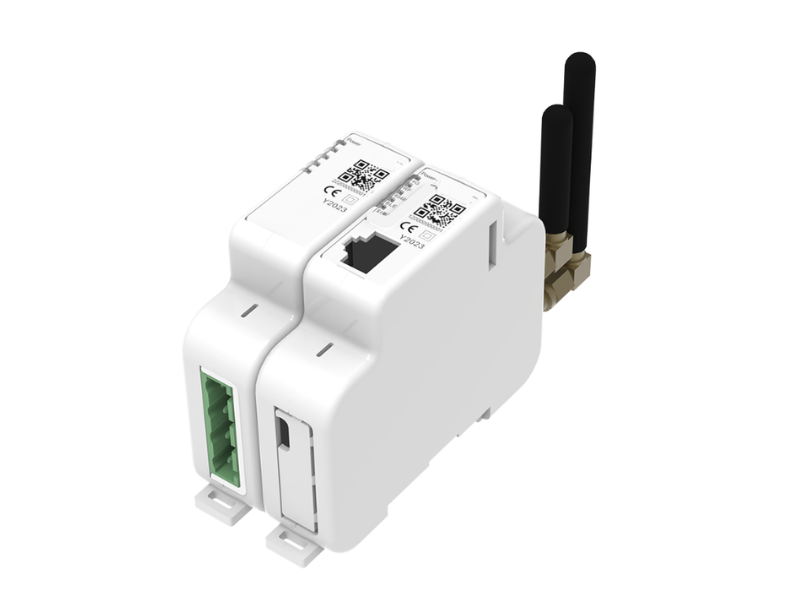
Smart data collectors acquire readings from connected meters. In many industrial and building applications, RS485 and Modbus RTU are commonly used for communication between meters and data acquisition devices.
Collectors can aggregate data from multiple meters, reducing the number of direct connections required at the upper communication layer.
Gateway or Concentrator
The gateway or data concentrator collects data from field devices and provides connectivity between the local metering network and the central management system.
Depending on the project, gateways may support multiple communication interfaces and protocols, enabling integration with different types of meters or field equipment.
Communication Network
The communication method can be selected according to site conditions.
Options may include wired Ethernet, RS485 networking, Wi-Fi, 4G, or combinations of multiple communication technologies.
This flexibility is especially important in retrofit projects where buildings, workshops, or meter rooms may have very different network conditions.
Cloud Management Platform
The management platform centralizes data from all connected meters.
Operators can remotely access current readings, historical consumption, trends, reports, alarm information, and equipment status. Data can also be accessed through PC or mobile applications, allowing management staff to monitor energy consumption without being physically present at the site.
This layered architecture makes the solution suitable for both small projects with hundreds of meters and larger distributed projects involving multiple buildings or sites.
Apartment Project Case: Remote Meter Reading for 280 Units
Smart metering is equally valuable in residential and apartment applications.
In one apartment project, approximately 280 units required regular water and electricity meter readings.
Under the traditional model, property management staff had to visit apartments every month. Because some tenants were not at home during the day, staff sometimes had to return in the evening. This increased labor requirements and could also disrupt residents.
Differences in manually recorded data occasionally resulted in billing complaints.
After introducing the Heyuan Intelligence smart metering solution, water and electricity consumption could be collected automatically without entering individual apartments.
Property managers could view consumption remotely through the management platform and export meter-reading reports for billing and accounting.
If electricity or water consumption increased unexpectedly, the system could generate an alert so that staff could investigate possible water leaks, faulty appliances, or other abnormal conditions.
For property operators, the benefits extend beyond reduced meter-reading labor. Remote metering also improves transparency, provides historical consumption records, and creates a better experience for tenants.
Core Value of IoT Smart Metering
1. Reduce Manual Work
Traditional meter reading requires staff to travel between meter locations, buildings, and individual units.
With automated meter data collection, staff can obtain most routine readings remotely. Management staff can view information from a central platform instead of visiting each meter individually.
This significantly reduces repetitive manual work and improves operational efficiency.
2. Centralize and Protect Metering Data
Paper records and manually maintained spreadsheets can be difficult to manage over long periods.
A cloud-based smart metering platform stores consumption data centrally, making historical information easier to search, compare, and retrieve.
Backup and recovery mechanisms can also significantly reduce the risk of data loss and provide a more reliable basis for financial reconciliation and operational analysis.
3. Identify Abnormal Consumption Earlier
Automatic data collection gives operators much greater visibility into consumption patterns.
Instead of waiting until the end of the month to compare meter readings, managers can monitor trends continuously and identify unusual changes much earlier.
For example, a sudden increase in water consumption may indicate a leak, while unexpected electricity consumption can point to equipment faults or inefficient operation.
Earlier detection allows operators to respond faster and reduce unnecessary energy loss.
4. Improve Billing Accuracy and Transparency
Manual meter reading introduces the possibility of transcription errors, missed readings, and estimated values.
Smart metering systems automatically capture the original meter data, creating a clearer and more traceable record.
This improves billing accuracy and can help reduce disputes between property managers, tenants, industrial park operators, and individual enterprises.
5. Support Flexible Deployment and Expansion
Every project has different site conditions.
Some sites have existing Ethernet networks, while others rely on Wi-Fi or cellular communication. Older buildings may require retrofit solutions, whereas new projects can integrate communication infrastructure during construction.
A flexible smart metering architecture allows communication methods and device configurations to be selected according to actual project requirements.
As the project expands, additional meters and data collection devices can also be integrated into the existing platform.
Real-Time Monitoring and Energy Analysis
Smart meter reading is not only about replacing manual data collection.
Once utility data becomes digital, it can also support broader energy management applications.
The platform can organize consumption data by building, department, tenant, workshop, or equipment group. Historical curves make it easier to compare usage patterns over time, while reports can support financial reconciliation and operational reviews.
Operators can analyze questions such as:
·Which building has the highest electricity consumption?
·Which production area has experienced an unusual increase in water use?
·How does this month's consumption compare with the previous month?
·Are there significant consumption differences between similar facilities?
·Is energy use occurring outside expected operating hours?
·These insights help organizations move from simply recording consumption to actively managing it.
Suitable Applications
Heyuan Intelligence smart metering solutions can be applied across a wide range of projects, including:
Residential communities, talent apartments, and long-term rental apartments; office buildings and commercial complexes; industrial parks and manufacturing facilities; schools and hospitals; municipal water and heat supply projects; and other distributed utility metering applications.
The same basic architecture can be adapted for projects ranging from a few hundred meters to large-scale deployments involving thousands of metering points.
Different utility types can also be integrated into a unified platform, allowing electricity, water, gas, and heat consumption to be managed from one system.
Building a More Digital Approach to Energy Management
Digitalization is becoming an increasingly important part of smart city development.
Traditional manual meter reading can provide basic consumption data, but it is increasingly difficult for this approach to meet modern requirements for efficiency, transparency, scalability, and timely energy management.
By integrating smart meters, automated data acquisition, flexible communication networks, and cloud-based management, IoT smart metering creates a more efficient way to manage utility consumption.
Organizations can reduce manual meter-reading workloads, improve data traceability, identify abnormal consumption earlier, support more accurate billing, and gain better visibility into energy use.
For industrial parks, residential communities, commercial buildings, factories, and public facilities, these capabilities provide a practical foundation for moving from traditional metering toward digital energy management.
Heyuan Intelligence provides scalable smart metering solutions designed to help organizations modernize utility data collection, reduce operating costs, and improve energy management efficiency.
Share




Leave a Message
Your email address will not be published.
Posts
Products