What Are the Key Indicators of Power Quality?
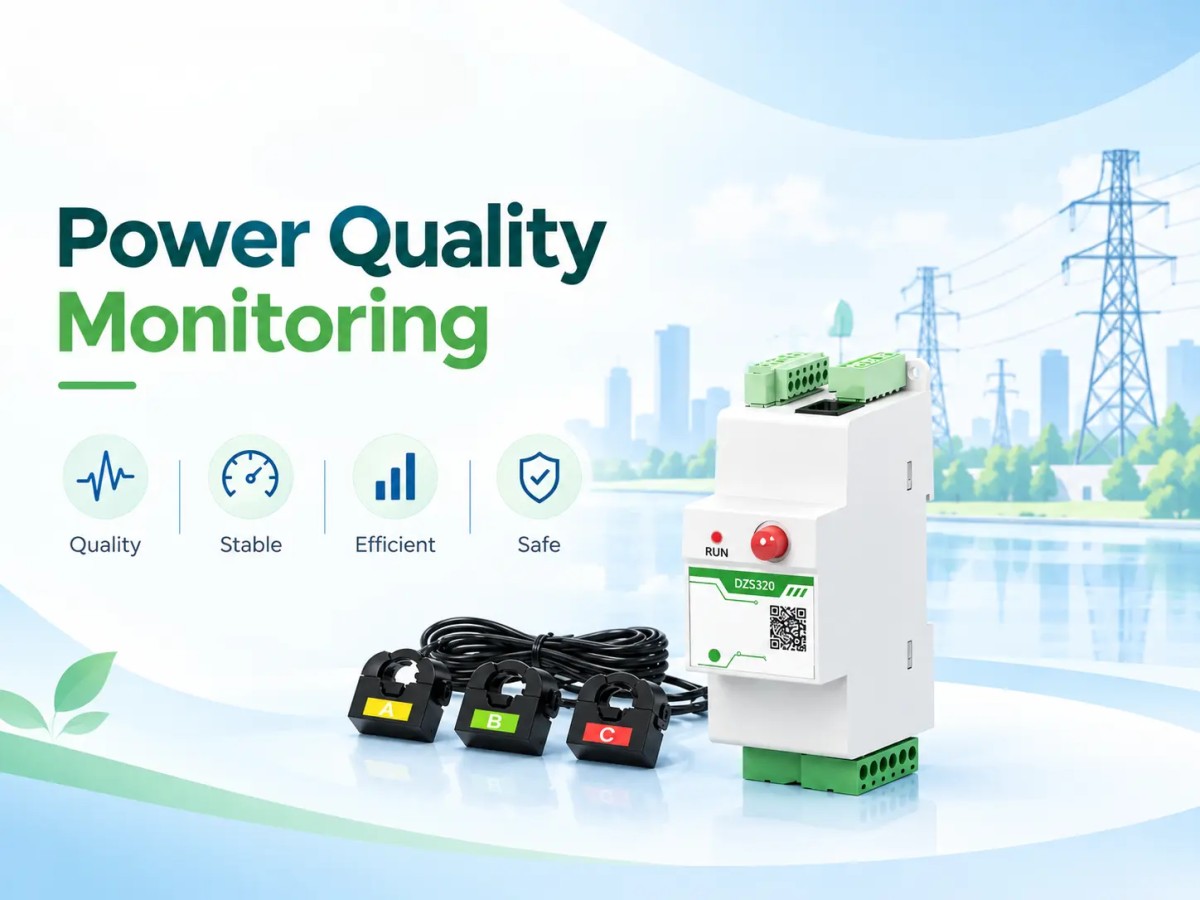
I. Voltage Quality
1. Voltage deviation
Definition: The deviation between the actual voltage and the nominal voltage (such as 220V or 380V).
Importance: Excessive voltage deviation may result in equipment damage or performance degradation.
2. Voltage fluctuation
Definition: Periodic or irregular fluctuations in voltage occurring over a short period.
Causes: May be caused by factors such as load variations or power grid faults.
Impact: Threatens the normal operation of equipment.
3. Voltage Flicker
Definition: The phenomenon of frequent voltage fluctuations over a short period.
Impact: It typically causes a visible flickering sensation, negatively affecting the user experience of equipment such as lighting and displays.
4. Transient overvoltages, voltage dips, and voltage interruptions
Voltage Sags (Dips): Short-duration reductions in RMS voltage.
Voltage Swells: Short-duration increases in RMS voltage.
Voltage Interruptions: Periods when the supply voltage falls below a specified threshold.
Transient Overvoltages: Very short-duration overvoltage events that may stress insulation and sensitive electronic equipment.
II. Frequency Quality
1. Frequency Deviation
Definition: The deviation between the actual frequency and the nominal frequency.
Importance: Frequency stability is a key indicator of power quality.
III. Waveform Quality
1. Waveform Distortion
Definition: The degree to which a voltage or current waveform deviates from an ideal sine wave.
Causes: Primarily caused by non-linear loads within the power system.
Significance: Waveform distortion increases equipment losses, generates vibration and noise, and can even lead to equipment failure.
Measurement Metric: Harmonic content is a key indicator of waveform distortion. Harmonics refer to sinusoidal components with frequencies that are integer multiples of the fundamental frequency.
IV.Supply Reliability and Three-Phase Voltage Unbalance
1. Power Supply Continuity
Definition: Measured by the average duration and frequency of power outages, it reflects the power supply system's ability to maintain a continuous supply of electricity.
Importance: Frequent or prolonged power outages cause inconvenience and economic losses for users.
2. Three-phase voltage unbalance
Definition: A state in a three-phase power supply system where the voltage or current amplitudes of the phases are unequal, or the phase differences are not 120°.
Impact: It leads to reduced equipment efficiency and increased losses, and may even cause equipment damage.
Measurement: Voltage unbalance can be evaluated using the voltage unbalance factor, commonly calculated from the negative-sequence voltage divided by the positive-sequence voltage.
Impact: Excessive voltage unbalance can cause additional heating, increased losses, and reduced efficiency in three-phase motors.
Applicable limits depend on the relevant grid codes and power quality standards.
V. Why Is Power Quality Monitoring Important?
Power quality monitoring plays an important role in maintaining electrical system stability, improving energy efficiency, and identifying potential electrical problems. By continuously measuring and analyzing electrical parameters, facility managers and engineers can better understand power system performance, detect abnormal conditions, and make informed maintenance decisions.
Power quality monitoring is particularly valuable in the following applications:
1. Industrial Facilities
Factories often operate motors, variable frequency drives, industrial automation equipment, and other electrical loads that may affect power quality. Monitoring parameters such as voltage, current, frequency, and harmonic distortion, where supported by the monitoring equipment, helps identify abnormal operating conditions and potential sources of electrical disturbances. This can help reduce unexpected downtime and improve equipment reliability.
2. Commercial Buildings
Office buildings, shopping malls, hotels, and other commercial facilities rely on stable power supplies for lighting, HVAC systems, elevators, and electronic equipment. Power quality monitoring helps facility managers identify voltage abnormalities, assess electrical load conditions, and investigate issues that may affect equipment performance or operational efficiency.
3. Industrial Parks and Multi-Building Facilities
Industrial parks and large facilities often contain multiple buildings, distribution panels, and electrical loads. Integrating compatible smart energy meters with an energy management system enables centralized data collection and visualization. Depending on the installed devices and communication capabilities, operators can monitor energy consumption and selected electrical parameters across different areas, making it easier to identify abnormal readings and manage electricity usage.
4. Energy Storage Systems
Energy storage systems interact with the power grid through power conversion systems and other electrical equipment. Monitoring relevant parameters at appropriate measurement points helps operators assess electrical operating conditions and identify potential abnormalities. For applications requiring detailed analysis of harmonics, voltage events, or other power quality disturbances, dedicated power quality analyzers or meters with the required measurement functions may be necessary.
How Do Smart Meters and Energy Management Systems Help?
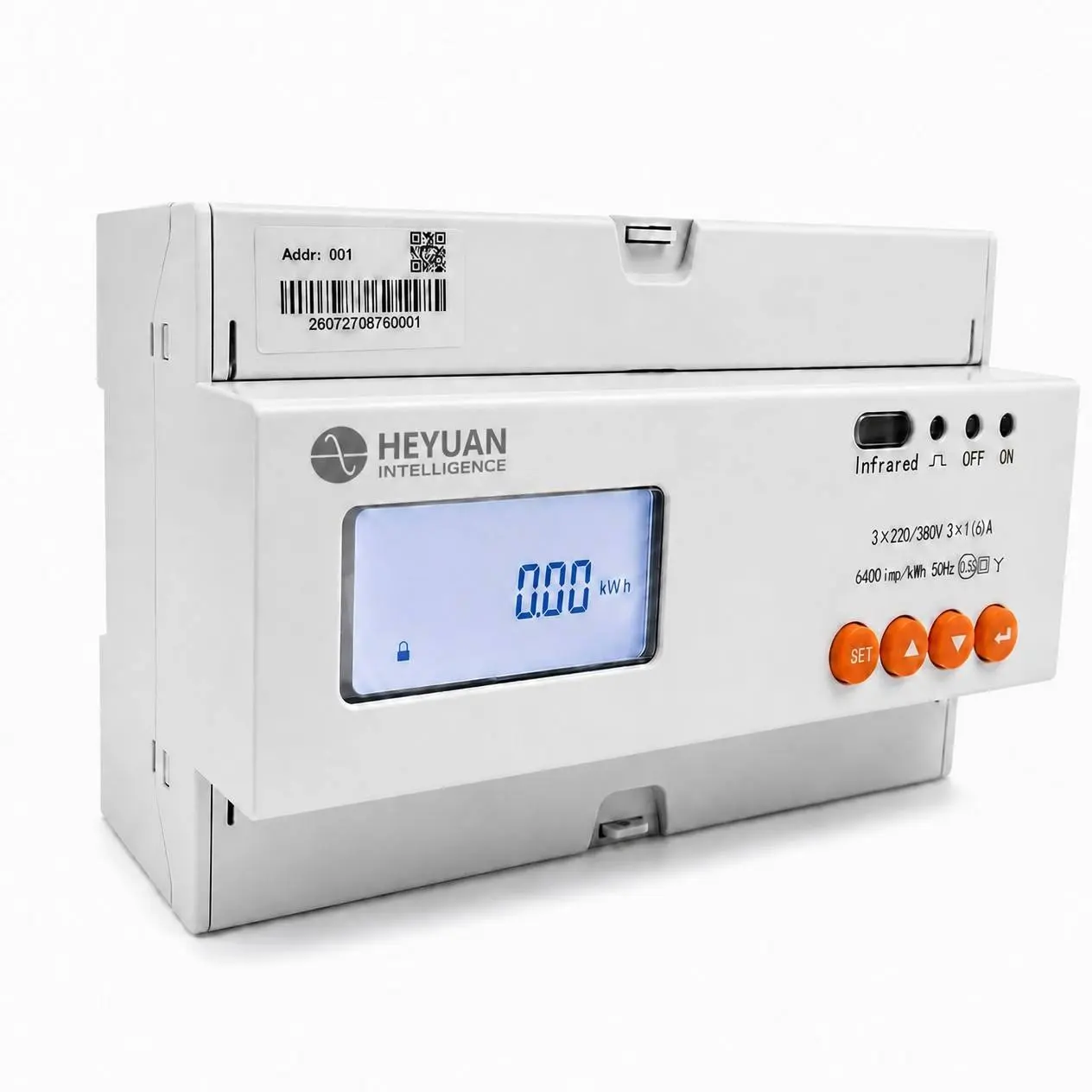
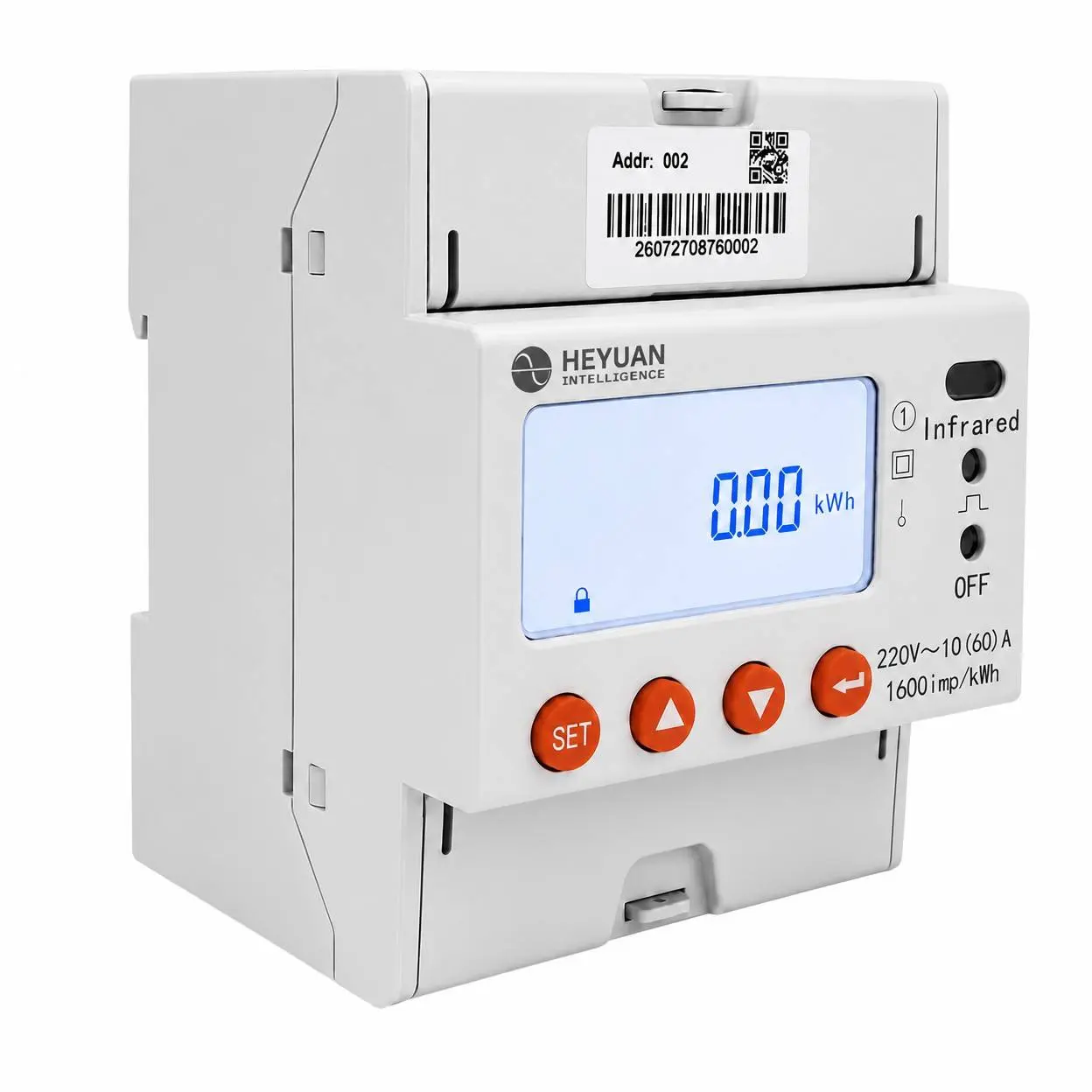
Smart energy meters and energy management systems provide practical tools for monitoring electrical parameters and managing energy consumption. Depending on the meter's specifications, measurement accuracy, and communication interfaces, users can collect data such as voltage, current, frequency, active power, power factor, and electrical energy consumption.
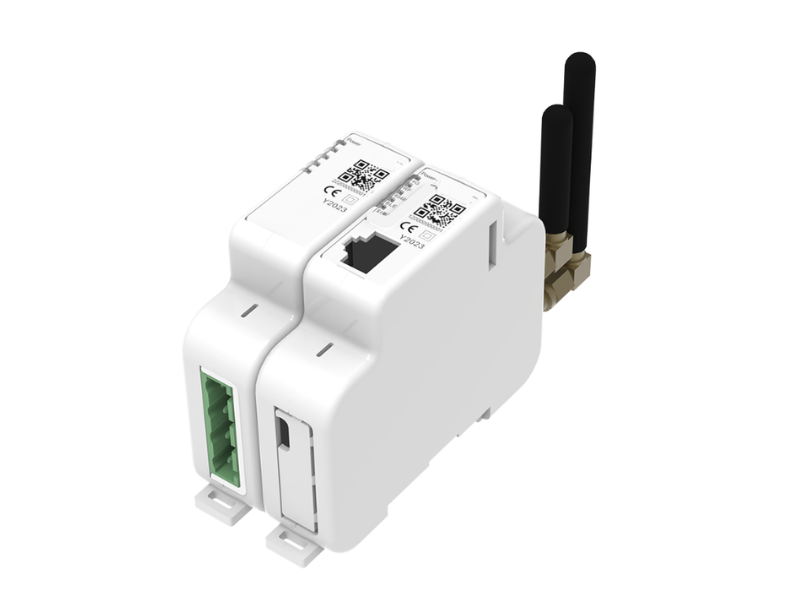
When connected to a compatible energy management platform through interfaces such as RS485 Modbus RTU or supported wireless communication technologies, these devices can support centralized monitoring, data analysis, and historical trend tracking. This helps facility managers gain better visibility into electrical system operation and make more informed decisions about energy management and maintenance.
Heyuan Intelligence provides smart metering products and energy management solutions for industrial facilities, commercial buildings, and other energy-intensive applications. By selecting suitable meters and monitoring systems according to project requirements, users can build a more transparent and efficient approach to electrical monitoring and energy management.
For applications requiring advanced power quality analysis, it is important to verify that the selected devices support the required functions, such as total harmonic distortion (THD) measurement, voltage unbalance analysis, or power quality event recording.

Share




Leave a Message
Your email address will not be published.
Posts
Products