What Is MQTT? Why Is It So Widely Used in IoT?
When developing web applications, HTTP and WebSocket are already common communication technologies. But when we move from conventional web development to the Internet of Things (IoT), another protocol appears frequently: MQTT.
Why do IoT systems need MQTT when HTTP and WebSocket already exist?
The reason is simple: MQTT solves a different type of communication problem. Instead of focusing mainly on browser-to-server interactions, MQTT provides a lightweight and efficient way for large numbers of devices, sensors, gateways, and applications to exchange messages.
Its core communication model is Publish/Subscribe, which makes MQTT particularly suitable for IoT systems where many distributed devices need to send and receive data continuously.
What Is MQTT?
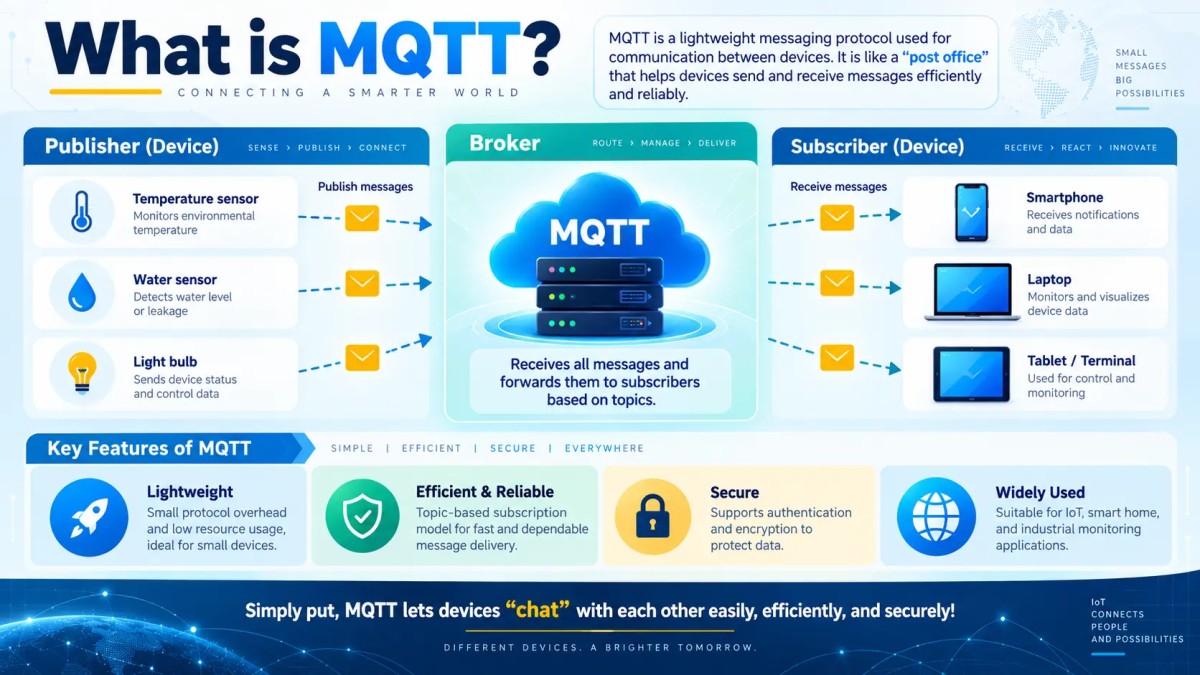
MQTT stands for Message Queuing Telemetry Transport. It is a lightweight messaging protocol commonly used in IoT and machine-to-machine communication.
Unlike the traditional request-and-response model used by HTTP, MQTT uses a publish/subscribe architecture.
In a typical MQTT system, there are three important elements:
· Publisher – sends data or messages.
· Subscriber – receives messages that it is interested in.
· MQTT Broker – receives messages from publishers and distributes them to the appropriate subscribers.
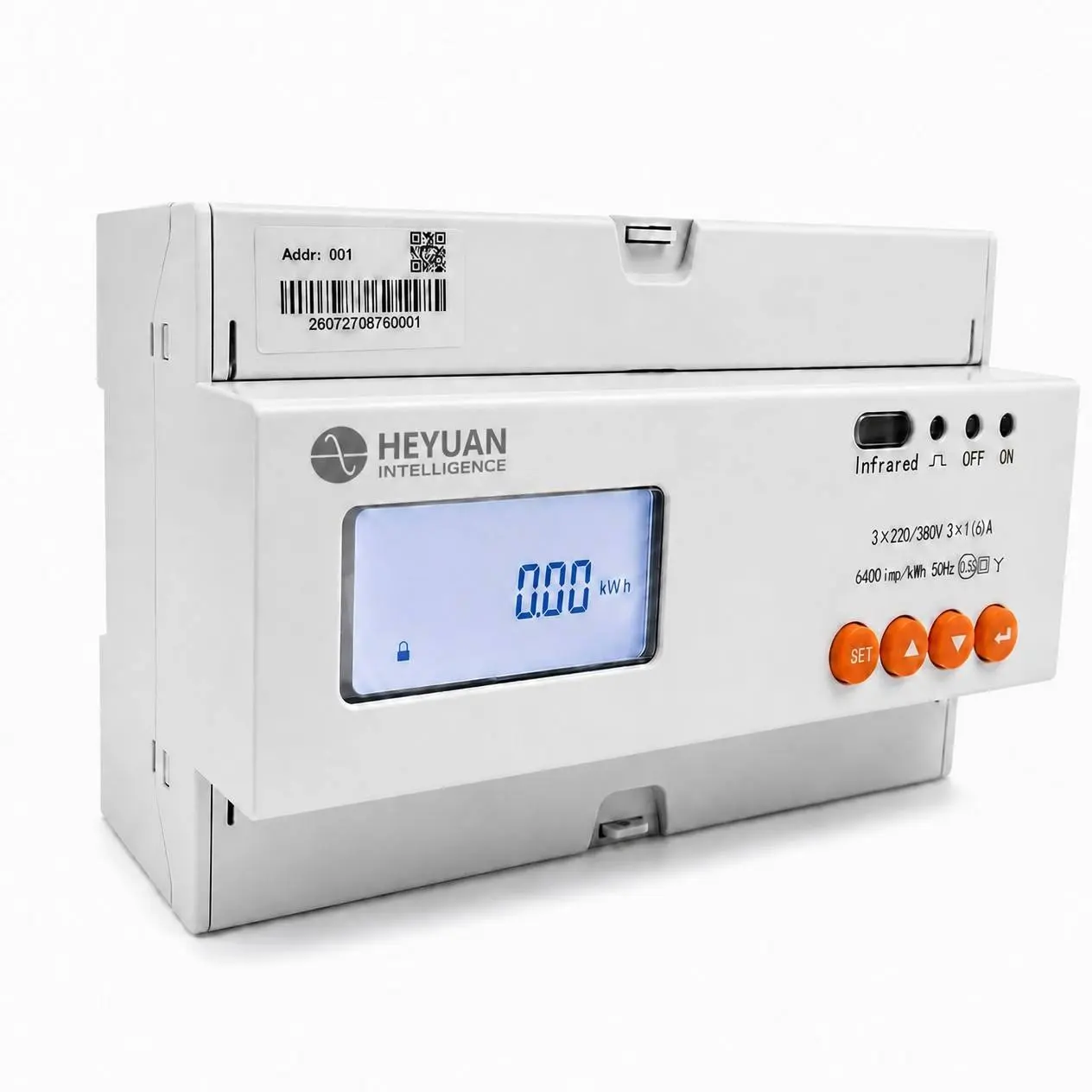
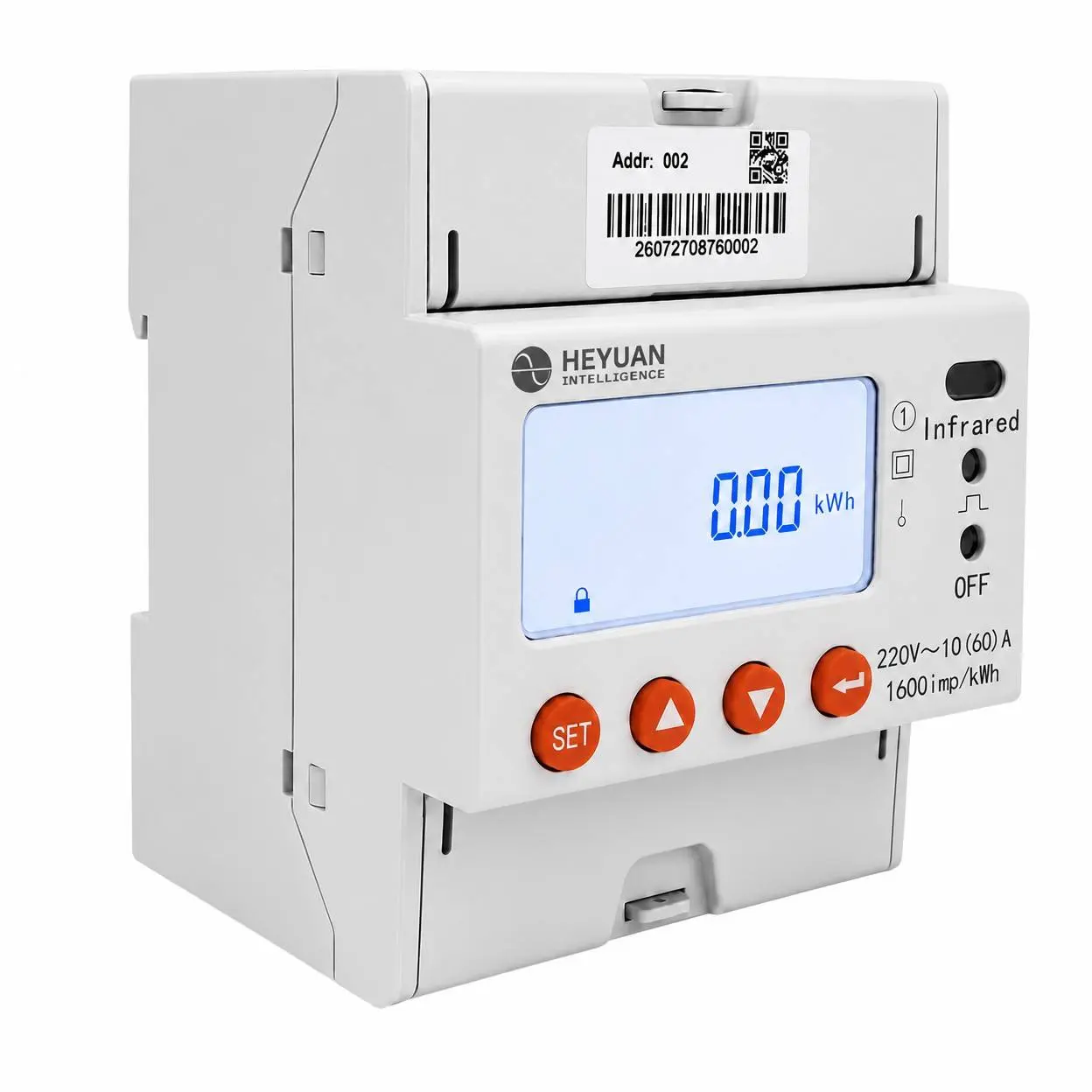
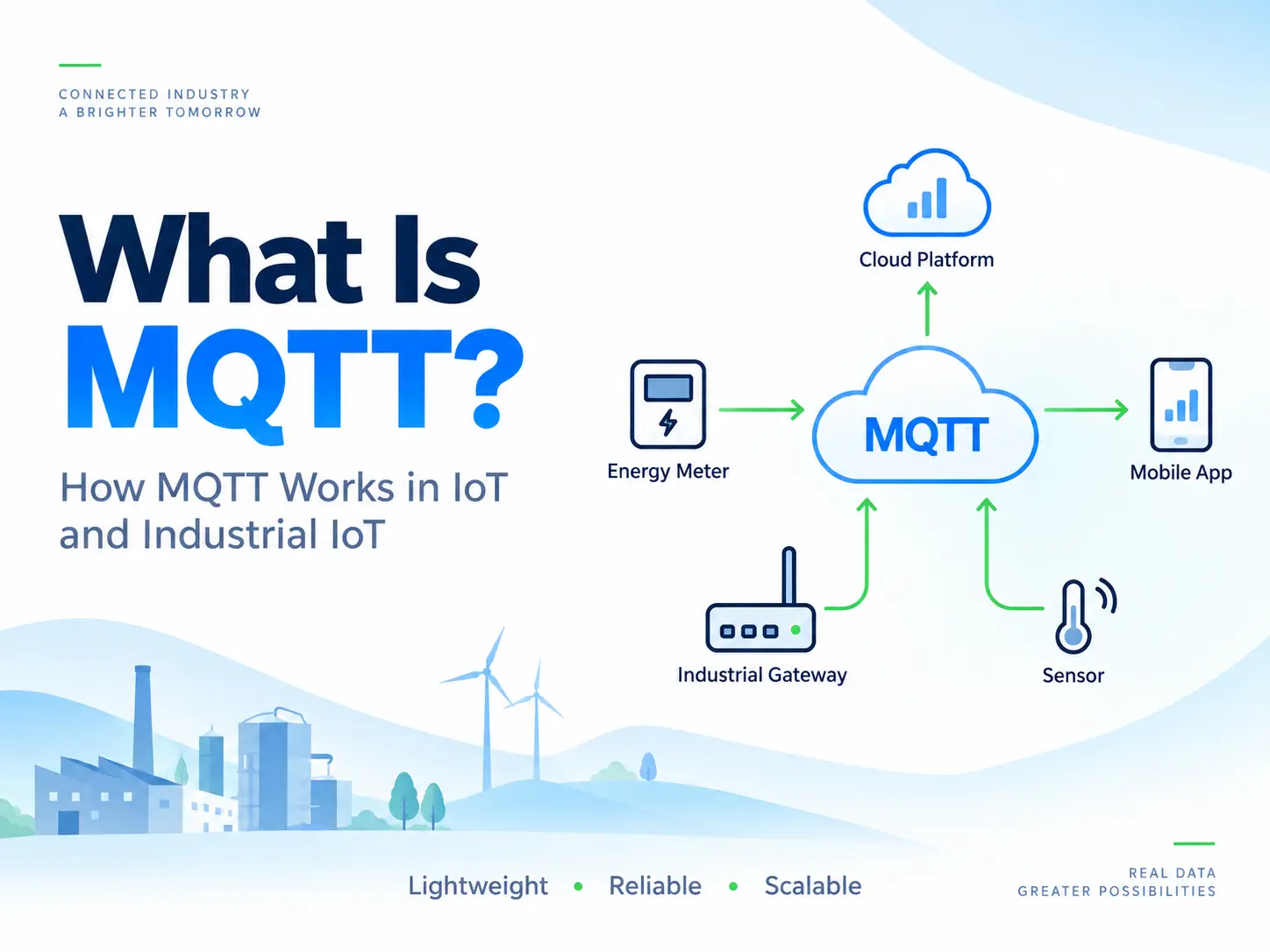
For example, an energy meter may publish electrical data such as voltage, current, power, and energy consumption. A monitoring platform subscribes to the relevant topic and receives the data through the MQTT broker.
The meter does not need to know where the monitoring platform is located, and the monitoring platform does not need to connect directly to every meter. The broker acts as the central message distribution layer.
How Does MQTT Publish/Subscribe Work?
The key concept in MQTT is the Topic.
Devices publish messages to specific topics, while other devices or applications subscribe to the topics they want to receive.
For example:
factory/energy/meter01
factory/energy/meter02
factory/temperature/sensor01
An energy meter can publish its measurements to:
factory/energy/meter01
A cloud platform that subscribes to this topic can then receive the meter data whenever new information is published.
This communication model allows one device to send information to multiple applications and also allows one application to receive information from a large number of devices.
The publisher and subscriber are therefore loosely coupled, which makes the system easier to expand.
Why Is MQTT Suitable for IoT?
IoT systems are very different from conventional web applications.
A typical industrial IoT project may contain hundreds or thousands of field devices, including energy meters, temperature sensors, environmental sensors, PLCs, gateways, and monitoring terminals.
These devices may continuously generate small amounts of data such as:
· Voltage
· Current
· Power
· Energy consumption
· Temperature
· Humidity
· Equipment status
· Alarm information
If every device needs to establish a complex direct communication connection with every application, the entire system becomes difficult to manage. QTT simplifies this process. A field device only needs to publish its data to the broker. Applications that require the information subscribe to the relevant topics. This architecture is particularly useful when an IoT system contains a large number of devices and needs to transmit relatively small messages frequently.
MQTT vs. HTTP: What Is the Difference?
HTTP is extremely important and remains widely used in IoT systems. However, HTTP and MQTT are designed around different communication models.
HTTP normally follows a request/response model:
Client → Request → Server
Client ← Response ← Server
A client sends a request, and the server returns a response.
MQTT follows a different model:
Device / Publisher
↓
MQTT Broker
↓
Application / Subscriber
The publisher does not directly send a message to a specific subscriber. Instead, it publishes the message to a topic on the MQTT broker. For industrial IoT applications, this provides several advantages.
This does not mean MQTT replaces HTTP. In many IoT systems, the two protocols work together. MQTT may be used for communication between field devices, gateways, and the IoT platform, while HTTP or HTTPS is used for web interfaces, APIs, configuration, and system integration.
MQTT vs. WebSocket: What Is the Difference?
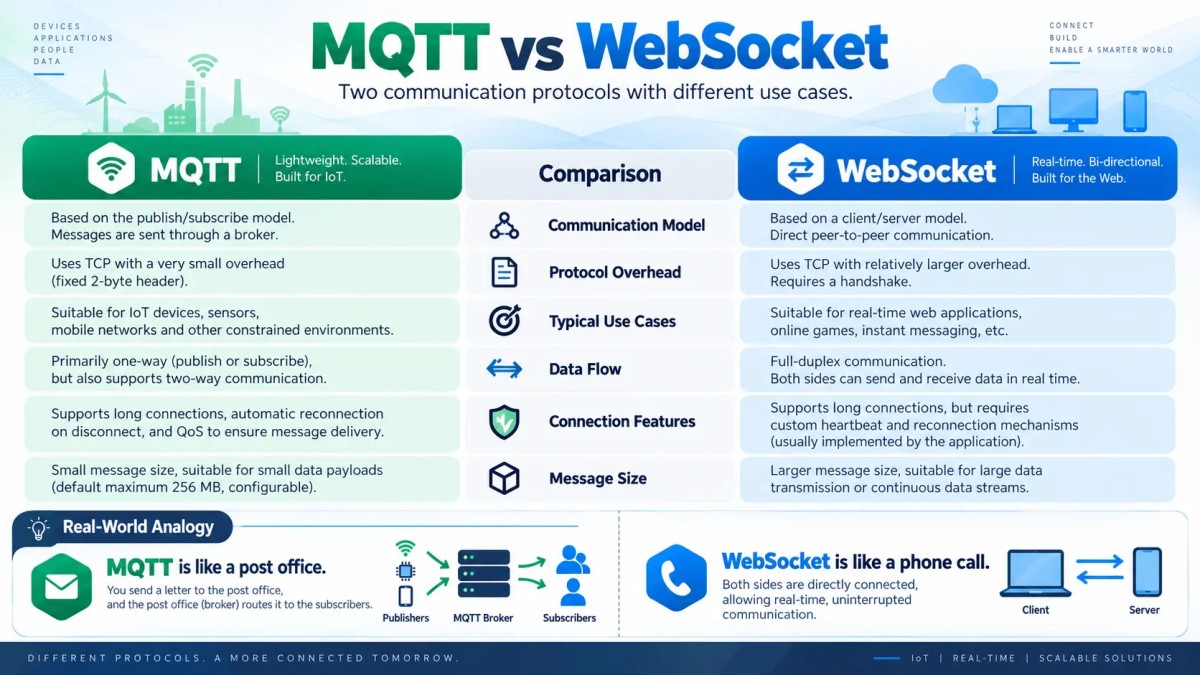
WebSocket provides persistent, bidirectional communication between two endpoints. It is often used when web applications need real-time communication. MQTT solves another problem.
Its publish/subscribe model introduces a broker between devices and applications. This allows multiple publishers and subscribers to exchange information without creating a dedicated communication relationship between every pair of endpoints.
For example, the same meter data could be consumed by:
· A cloud monitoring platform
· A mobile application
· An alarm service
· An energy management system
· A third-party application
Each application can subscribe to the relevant MQTT topic instead of requiring the meter to communicate separately with every system. This characteristic is one of the main reasons MQTT has become widely used in IoT architectures.
MQTT in Industrial IoT
In industrial applications, MQTT can be used as part of the communication architecture connecting field equipment to local or cloud platforms.
A typical architecture may look like this:
Energy Meter / Sensor / PLC
↓
RS485 / Modbus RTU
↓
Industrial IoT Gateway
↓
MQTT
↓
MQTT Broker
↓
Cloud Platform / SCADA / Energy Management System
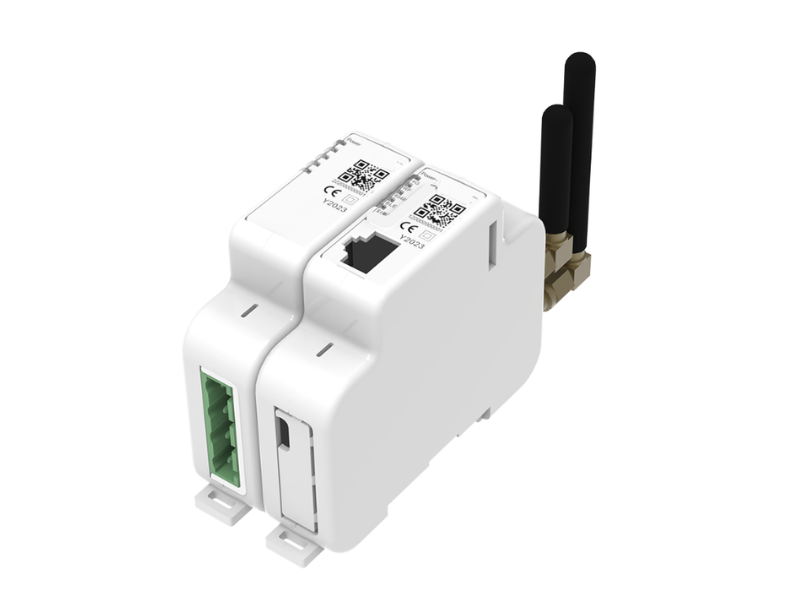
Many existing industrial devices communicate using protocols such as Modbus RTU over RS485. An industrial gateway can collect data from these field devices, convert the data into MQTT messages, and transmit it to a cloud or local platform.
This approach allows existing industrial equipment to become part of an IoT system without completely replacing the original field communication architecture.
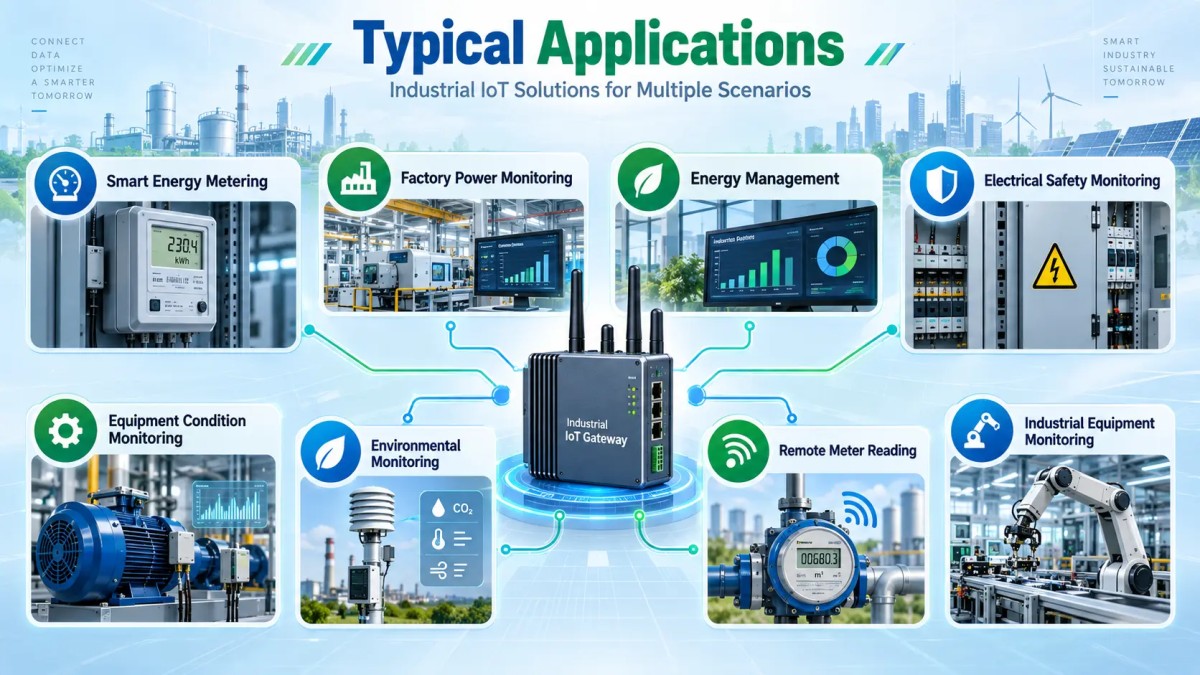
Typical applications include:
· Smart energy metering
· Factory power monitoring
· Energy management
· Electrical safety monitoring
· Equipment condition monitoring
· Environmental monitoring
· Remote meter reading
· Industrial equipment monitoring
Why MQTT Matters for IoT
The value of MQTT is not simply that it is another communication protocol. Its real advantage comes from the way it organizes communication between large numbers of devices and applications. Instead of creating direct communication relationships between every device and every system, MQTT introduces a publish/subscribe messaging layer. This makes it easier for IoT systems to connect distributed devices, transmit telemetry data, distribute alarms, and integrate multiple applications. For small systems, HTTP, Modbus, or other protocols may already be sufficient. But as the number of connected devices and applications increases, MQTT can provide a more flexible architecture for device-to-platform communication.
In simple terms:
MQTT helps solve the problem of how large numbers of IoT devices can exchange messages efficiently.
That is why it has become one of the most commonly used messaging protocols in IoT and Industrial IoT applications.

Share




Leave a Message
Your email address will not be published.
Posts
Products