What Is an IoT Gateway? Functions, Architecture, and Industrial Applications
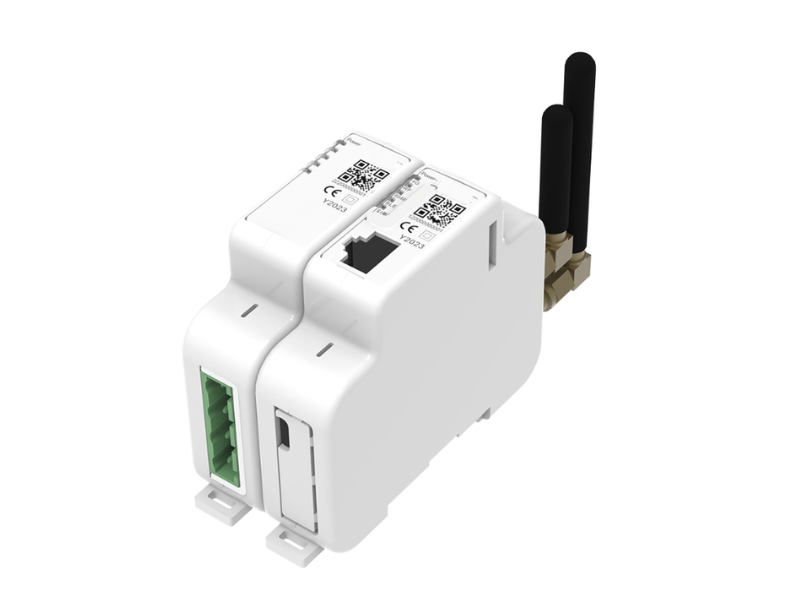
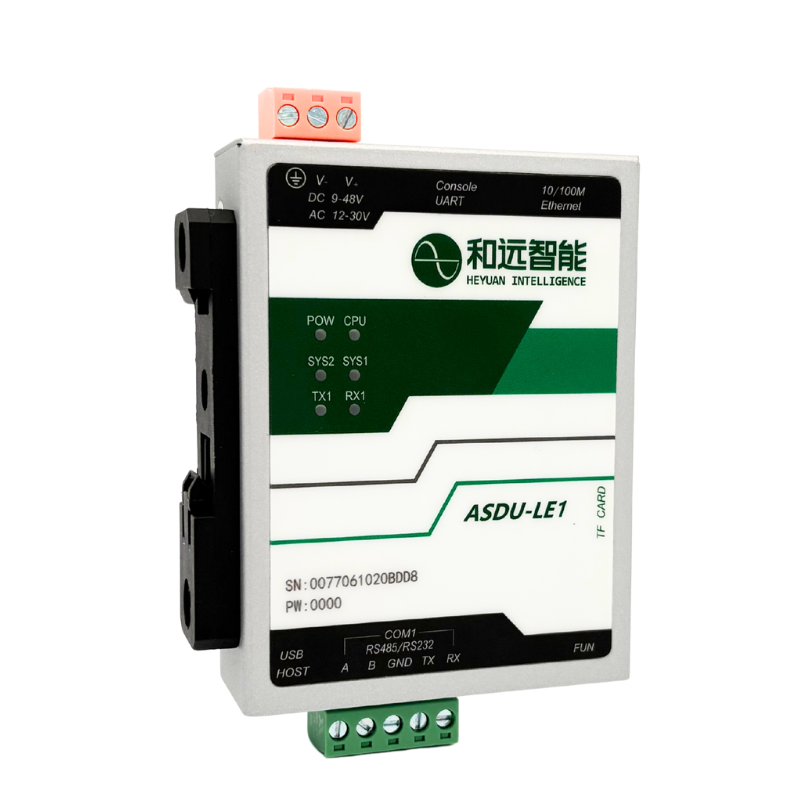
In practical deployments, industrial-grade IoT gateways—such as those used in remote monitoring and industrial automation—serve as the core infrastructure enabling secure and reliable data transmission between field devices and cloud platforms.
▲Learn more about industrial IoT gateway solutions:
https://www.heyuanintel.com/products/Data_Tranmision_Terminals/Industrial_Gateway/
I. Core Positioning in the IoT Architecture
Within a standard IoT architecture, the gateway sits between the perception layer (device layer) and the network/platform layer. It serves as the key access point that connects isolated device systems (“device silos”) to the Internet and cloud platforms.
Industrial IoT gateways typically integrate multiple communication interfaces and networking capabilities, allowing them to collect data from field devices and forward it to enterprise systems or cloud platforms in a standardized manner.
Such gateways are widely used in industrial data acquisition, energy management, and smart infrastructure projects.
▲Reference:
https://www.heyuanintel.com/products/Data_Tranmision_Terminals/Industrial_Gateway/
An IoT gateway generally embodies four core attributes:
·Protocol translation
·Data relay and aggregation
·Local intelligence (edge computing)
·Security boundary and access control
II. Core Functions Explained Simply
1. Protocol Translator: Enabling Interoperability
IoT devices often use different communication protocols—such as ZigBee, LoRa, Modbus, Bluetooth, or Wi-Fi—which makes direct communication between them difficult.
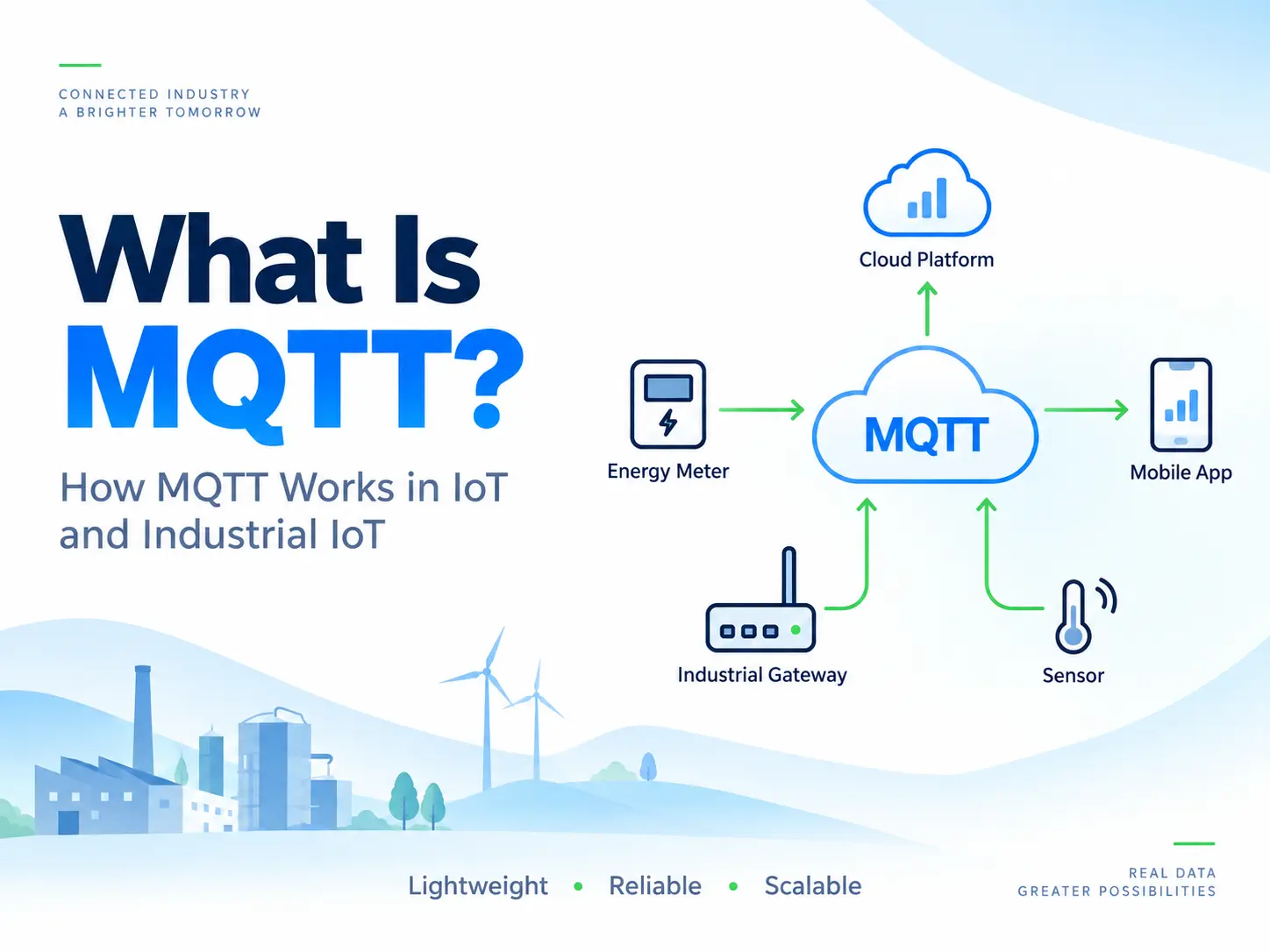
An IoT gateway performs multi-protocol conversion, translating these heterogeneous or proprietary protocols into standard Internet protocols like MQTT, HTTP, or HTTPS.
This capability is a key feature of industrial gateways, enabling seamless integration between legacy equipment and modern cloud platforms.
▲Industrial gateway protocol support overview:
https://www.heyuanintel.com/products/Data_Tranmision_Terminals/Industrial_Gateway/
2. Data Hub: Collection, Preprocessing, and Forwarding
As a centralized data node, the gateway performs three critical tasks:
·Aggregation: Collects raw data such as temperature, humidity, pressure, energy consumption, and device status from connected terminals.
·Preprocessing: Performs local data filtering, aggregation, and anomaly detection, reducing unnecessary data uploads.
·Forwarding: Reliably transmits standardized data to the cloud while receiving control commands from upper-level platforms.
Industrial IoT gateways are designed to operate stably in harsh environments, ensuring continuous data transmission for mission-critical applications.
3. Edge Brain: Local Intelligence and Real-Time Control
With built-in edge computing capabilities, IoT gateways can execute logic rules, threshold alarms, and basic automation locally—without relying entirely on cloud connectivity.
This local intelligence ensures that systems remain operational even during network interruptions, a key requirement in industrial automation, smart manufacturing, and energy systems.
Modern industrial gateways integrate edge processing with secure data transmission to provide both reliability and responsiveness.
▲Related solutions:
https://www.heyuanintel.com/products/Data_Tranmision_Terminals/Industrial_Gateway/
4. Security Gatekeeper: First Line of Defense
As the unified access point for device connectivity, the IoT gateway plays a crucial role in system security. Typical security features include:
·Device identity authentication
·Access control and authorization
·Encrypted data transmission
·locking unauthorized access
By isolating field devices from direct Internet exposure, industrial gateways act as a security boundary that protects both devices and data.
5. Device Manager: Centralized Management and Remote Maintenance
IoT gateways support centralized device management, including:
·Device status monitoring
·Configuration distribution
·OTA firmware upgrades
·Fault diagnosis and localization
When combined with cloud platforms, industrial IoT gateways enable large-scale remote operation and maintenance, significantly reducing on-site service costs and improving system efficiency.
III. Typical Application Scenarios
·Industrial IoT: Connecting PLCs, machine tools, and sensors for production monitoring and predictive maintenance using industrial gateways.
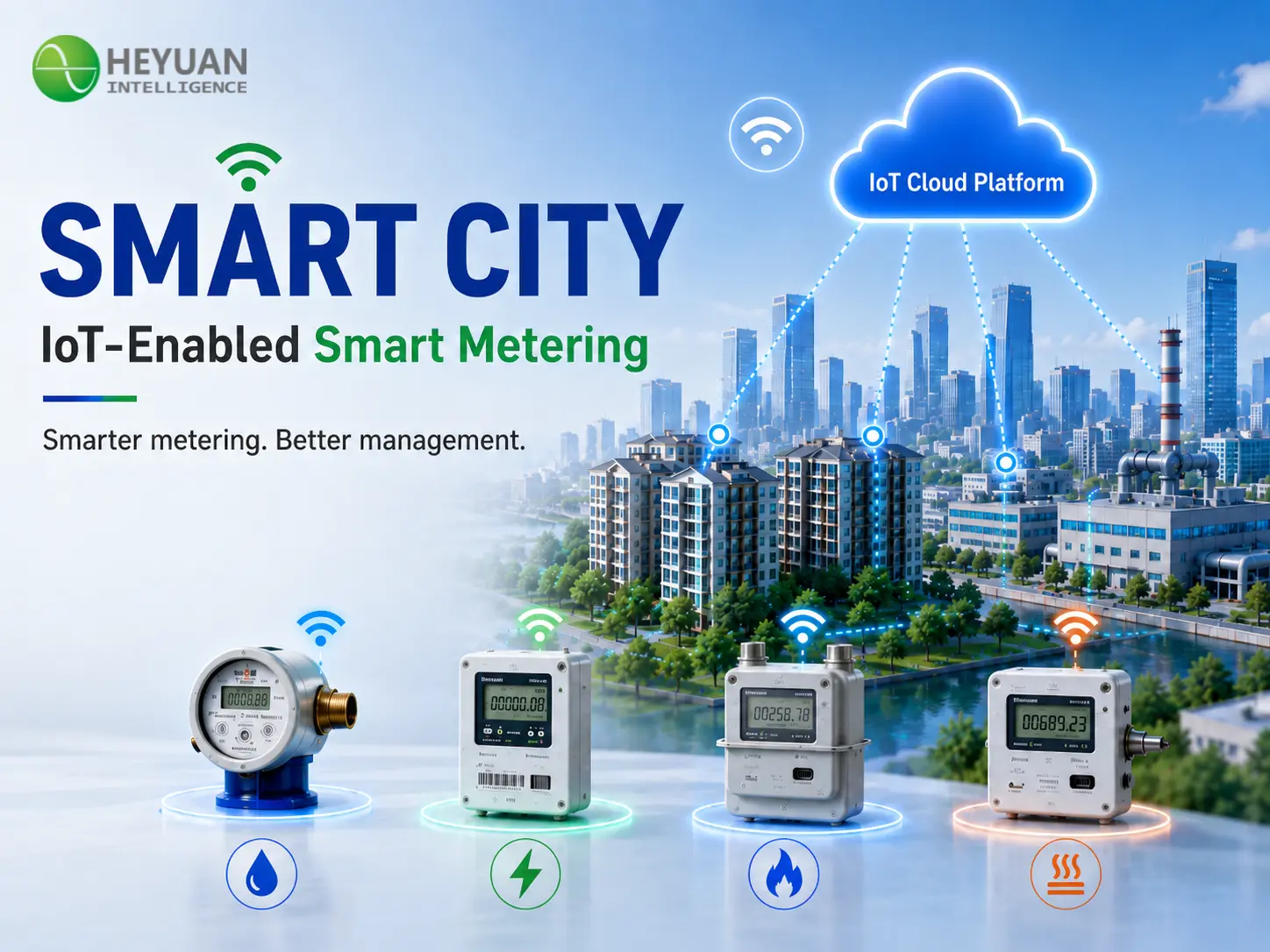
·Smart Energy & Metering: Aggregating data from electricity, water, and gas meters through centralized gateway devices.
·Smart City & Agricu lture: Collecting environmental and soil data via gateways to support intelligent decision-making.
·Security & Infrastructure: Integrating access control, cameras, and alarms into centralized management platforms.
Conclusion
Without an IoT gateway, devices remain isolated “information silos.”
With an industrial IoT gateway, devices become interconnected, interoperable, secure, and intelligently controllable, forming the foundation of scalable and reliable IoT systems.
For projects requiring stable data transmission, protocol compatibility, and centralized management, industrial gateways play an indispensable role in modern IoT architectures.
▲ Explore industrial gateway solutions here:
https://www.heyuanintel.com/products/Data_Tranmision_Terminals/Industrial_Gateway/

Share




Leave a Message
Your email address will not be published.
Posts

Products