How to Match IoT Data Collectors and Sensors: A Practical Guide for Reliable Data Acquisition
In industrial IoT (IIoT), smart energy, and smart agriculture projects, the correct matching of an IoT data collector with sensors directly determines whether data collection is accurate, stable, and reliable over the long term.
Whether you are deploying an energy monitoring system, an environmental monitoring platform, or industrial equipment diagnostics, the success of the system largely depends on how well the IoT data collector is integrated with the sensors. In practice, the matching logic can be summarized into three essential principles:
Interface compatibility, signal type compatibility, and application scenario matching
Once these three points are handled correctly, most data acquisition problems can be avoided.
1. Interface and Signal Type: The Foundation of IoT Data Collection
The physical connection and data transmission between sensors and an IoT data collector depend entirely on signal type and interface. This is also the most common source of integration errors in industrial projects.
Common Signal Types and Interface Matching
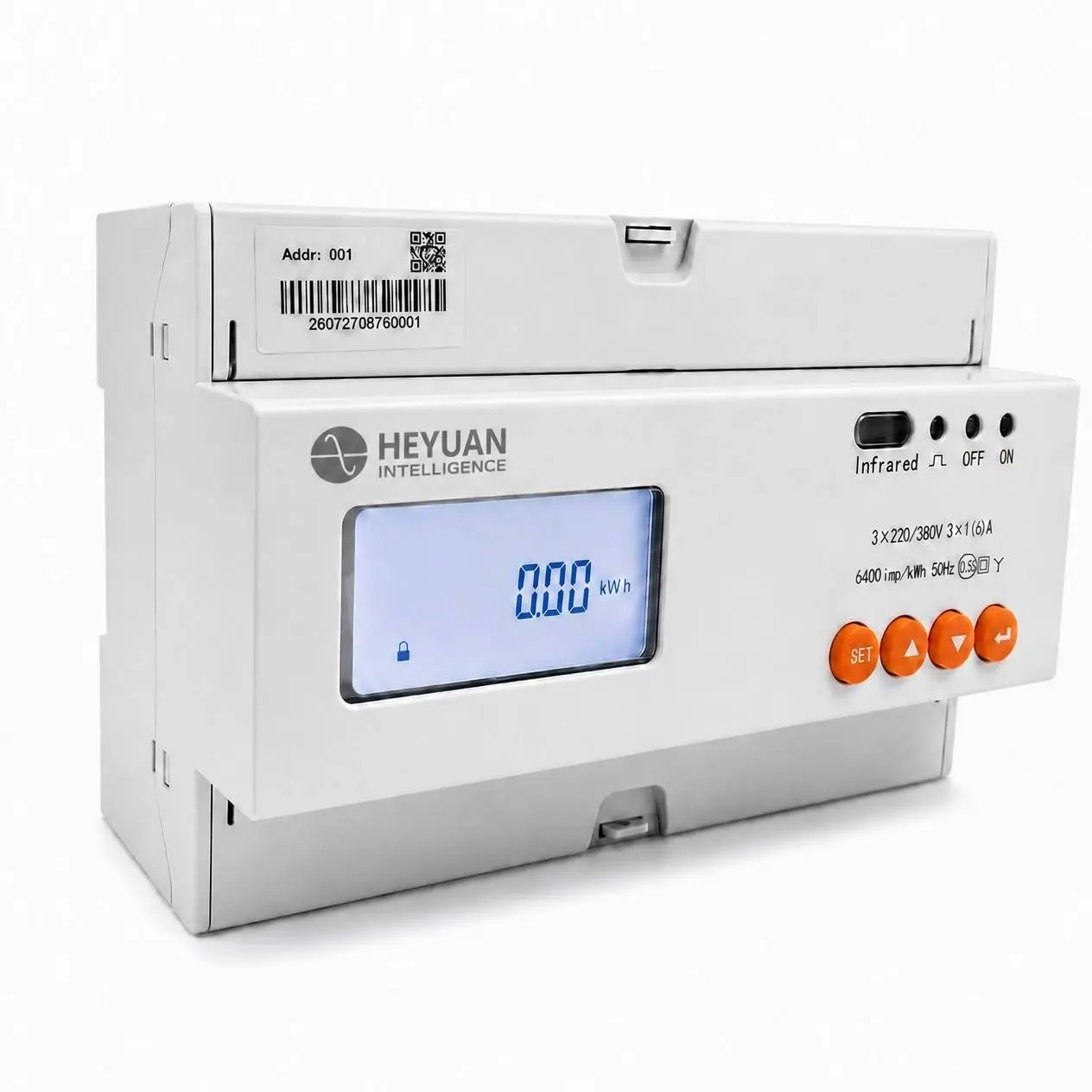
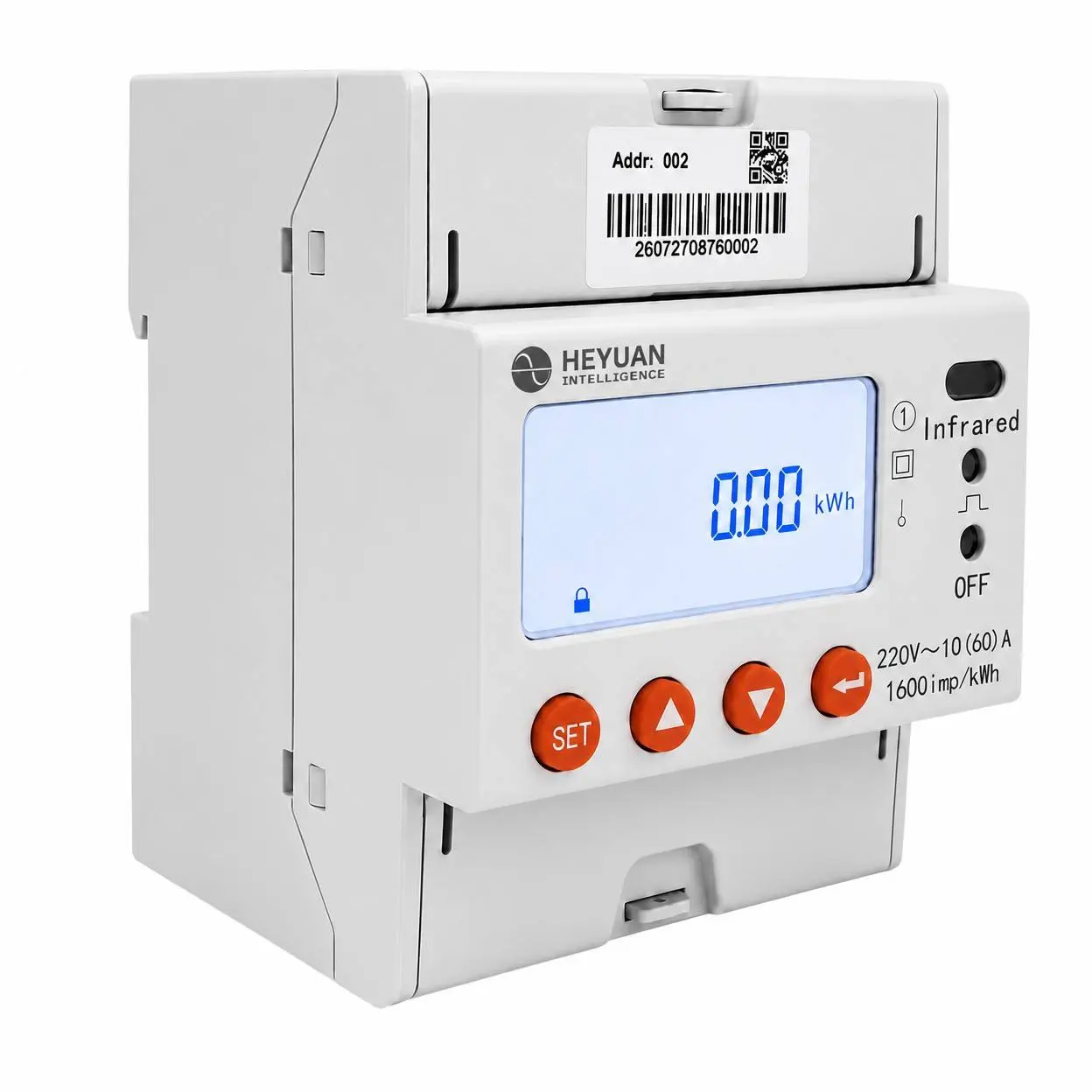
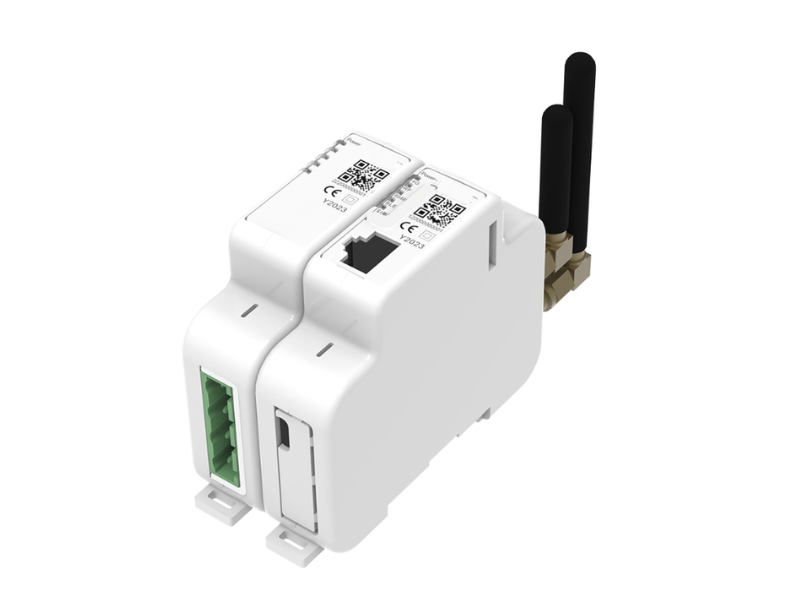
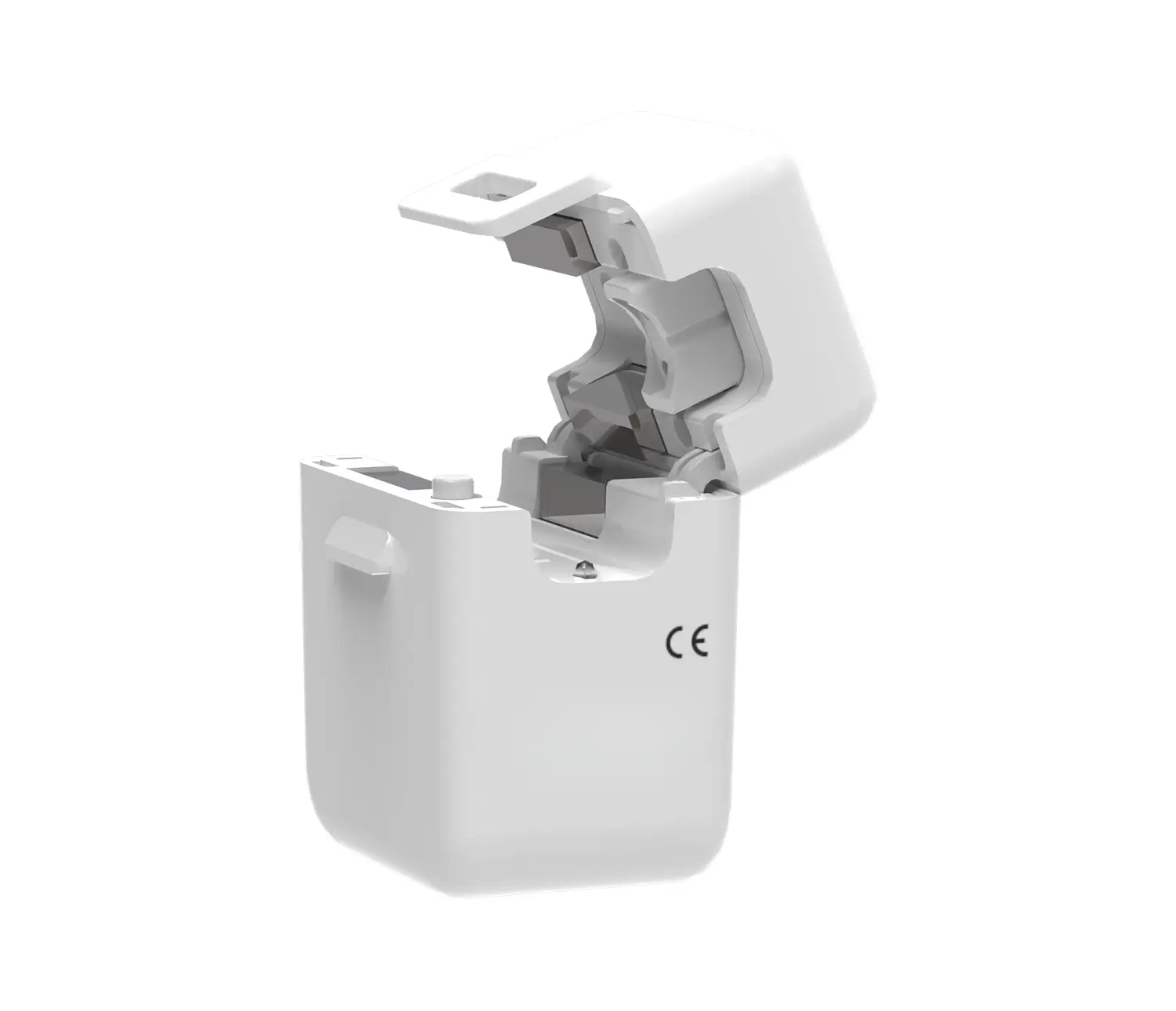
Heyuan Intelligence provides industrial-grade IoT data collectors that support multiple signal types and interfaces, making them suitable for complex industrial and energy monitoring environments.
2. Matching IoT Data Collectors by Application Scenario
Different application scenarios impose different requirements on an IoT data collector, including stability, power consumption, and resistance to electromagnetic interference.
2.1 Industrial Workshop Applications
Scenario characteristics:
Strong electromagnetic interference, continuous operation, high reliability requirements.
Recommended configuration:
·Sensors: RS485 differential signal sensors (current, voltage, vibration)
·IoT data collector: Industrial wired IoT data collector with RS485 and Ethernet
·Surge, lightning, and ESD protection are essential
In industrial environments, a high-quality industrial IoT data collector ensures stable communication and prevents data loss caused by interference.
Industrial energy monitoring solutions: https://www.heyuanintel.com/Electricity_Meters.html
2.2 Cold Chain Logistics and Mobile Monitoring
Scenario characteristics:
Mobile assets, wide temperature range, no fixed power supply.
Recommended configuration:
·Sensors: Low-power wireless temperature and humidity sensors
·IoT data collector: 4G or NB-IoT wireless IoT data collector with battery or solar power
·A low-power IoT data collector with scheduled wake-up and data transmission significantly extends battery life and ensures continuous monitoring during transportation.
2.3 Smart Agriculture and Outdoor Monitoring
Scenario characteristics:
Wide coverage, scattered sensor nodes, limited maintenance access.
Recommended configuration:
·Sensors: Soil moisture, temperature, light, rainfall sensors
·IoT data collector: Gateway-type IoT data collector aggregating sensor data and uploading via 4G
In smart agriculture, a gateway-based IoT data collector reduces network costs while maintaining long-distance data transmission.
IoT data acquisition solutions: https://www.heyuanintel.com/System---IOT-Solution.html
3. Three Common Mistakes When Selecting an IoT Data Collector
1️⃣ Power Supply Mismatch
Many IoT data collectors provide 24V power for sensors (such as 4–20mA devices). Always confirm voltage compatibility to avoid damaging sensors.
2️⃣ Protocol Incompatibility
Most serial devices use Modbus RTU. The IoT data collector must support the same protocol and register mapping; otherwise, data cannot be parsed correctly.
3️⃣ Measurement Range Mismatch
If a sensor outputs 4–20mA for a specific range, the analog input of the IoT data collector must fully cover that range to prevent data distortion.
Conclusion: Choosing the Right IoT Data Collector Is Half the Success
There is no universal solution in IoT system design. The key is selecting the right IoT data collector and sensors based on signal type, interface, power supply, protocol, and application environment.
With a properly matched IoT data collector, your project will achieve higher reliability, lower maintenance costs, and better scalability.
For industrial energy monitoring, smart infrastructure, or agricultural IoT projects, partnering with an experienced manufacturer like Heyuan Intelligence ensures stable hardware, flexible integration, and long-term support.
Official website:https://www.heyuanintel.com/

Share




Leave a Message
Your email address will not be published.
Posts
Products