How to Choose the Right Industrial IoT Gateway for Your Project
How to Choose the Right Industrial IoT Gateway for Your Project
Industrial IoT gateways are becoming essential in modern automation systems, enabling communication between sensors, PLCs, industrial equipment, and cloud platforms. However, selecting the right gateway can be challenging, especially when different communication interfaces, industrial protocols, and deployment environments are involved.
This guide simplifies the selection process by helping you identify the right industrial IoT gateway based on: Communication interfaces
·Device protocols
·Internet connectivity
·Industrial application scenarios
·Remote control requirements
Whether you are building a smart agriculture system, upgrading factory automation, or deploying a remote monitoring solution, this article will help you choose a gateway that fits your project requirements.
What Is an Industrial IoT Gateway?
An industrial IoT gateway acts as the communication bridge between field devices and cloud platforms. It collects data from industrial equipment such as sensors, meters, PLCs, and controllers, then securely transmits the data to local servers, SCADA systems, or cloud platforms for monitoring and management.
A typical industrial IoT gateway may support:
· RS485 and Ethernet communication
·4G/5G, WiFi, or LoRaWAN connectivity
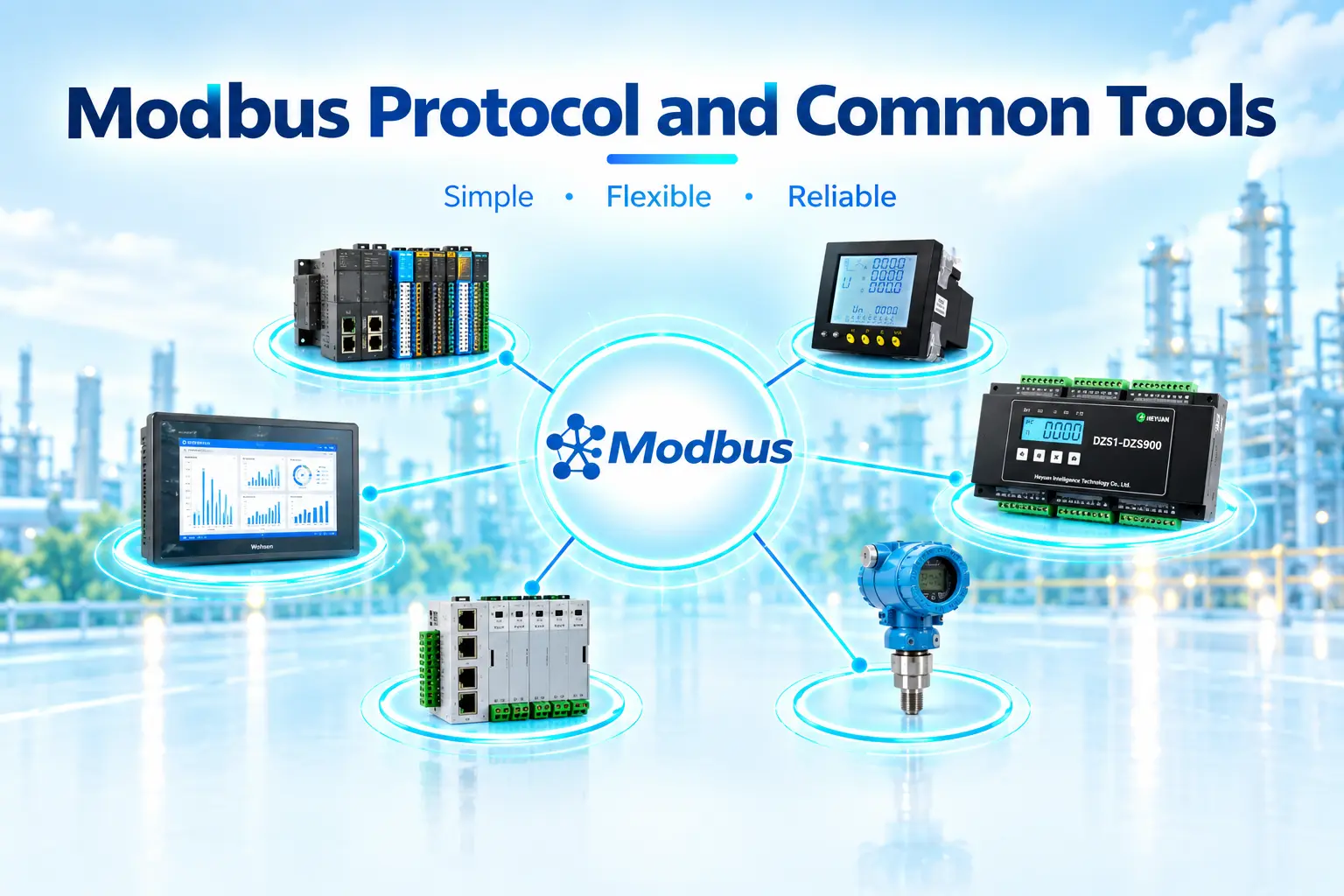
·Modbus RTU/TCP and MQTT protocols
·Edge computing and local automation
·Remote monitoring and remote device control
Industrial IoT gateways are widely used in:
·Smart agriculture
·Industrial automation
·Water treatment
·Energy management
·Building automation
·Environmental monitoring
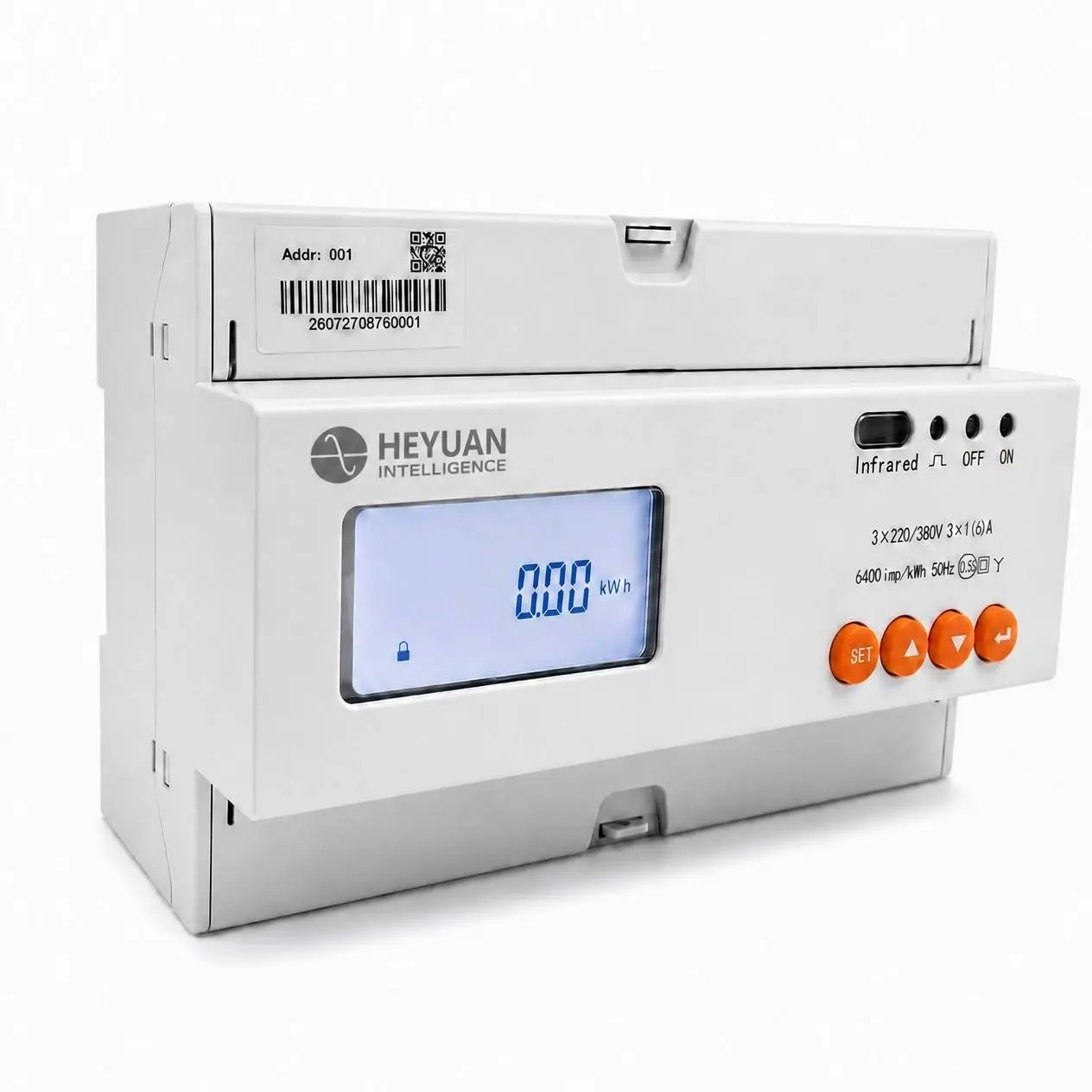
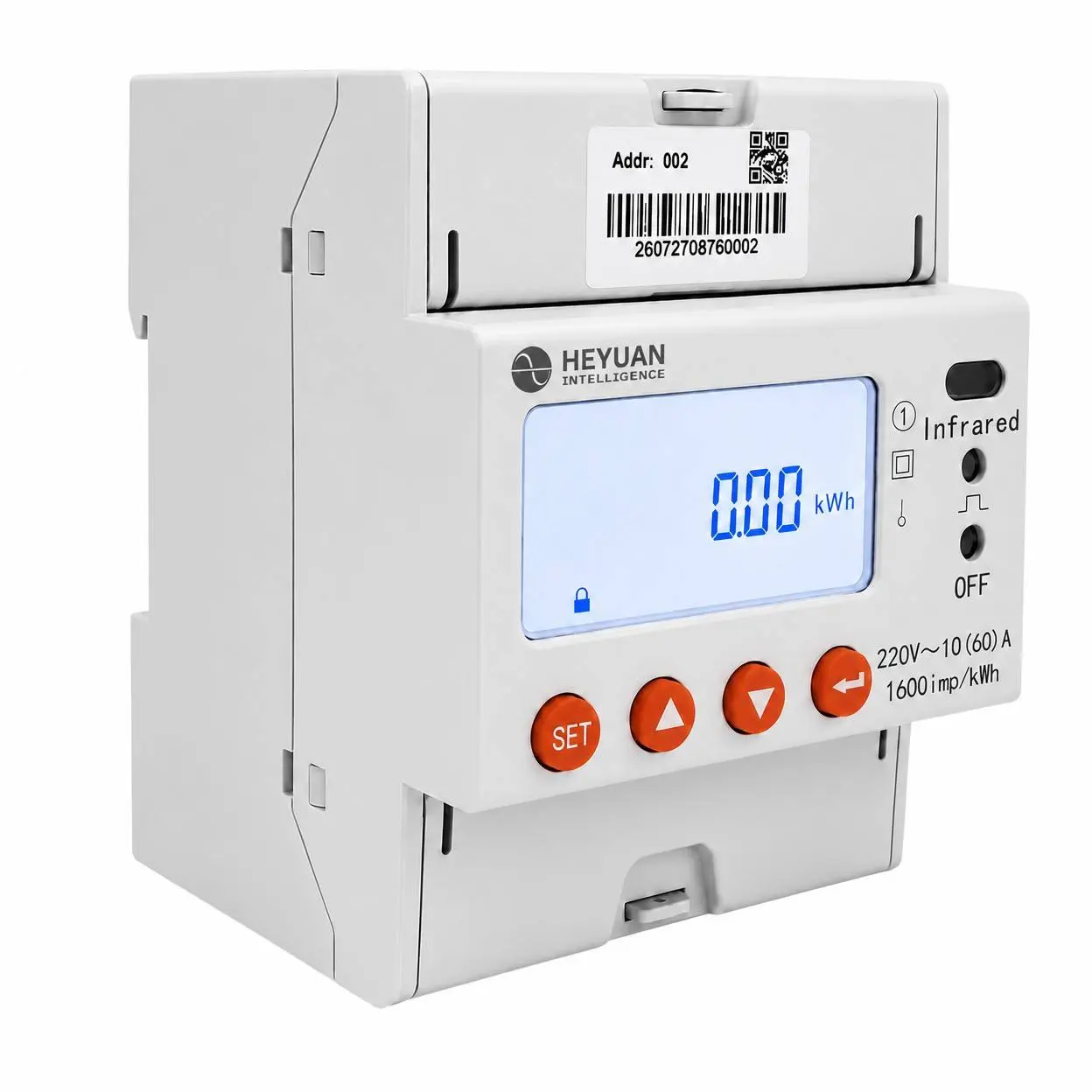
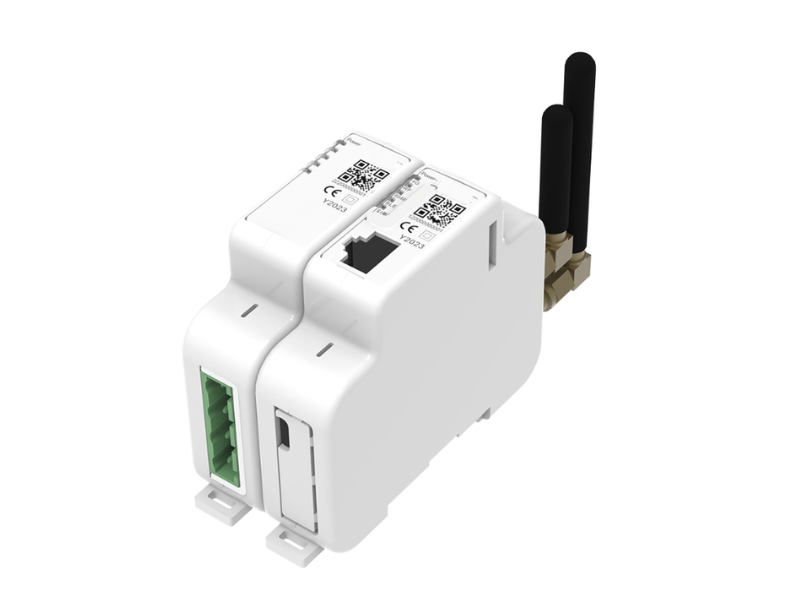
If you are evaluating different industrial communication solutions, you can explore Heyuan Industrial IoT Gateway Solutions, including RS485 gateways, edge computing gateways, and industrial 4G communication gateways for various industrial applications.
Typical Industrial IoT Architecture
Most industrial IoT systems follow a simple architecture:
Typical deployment examples include:
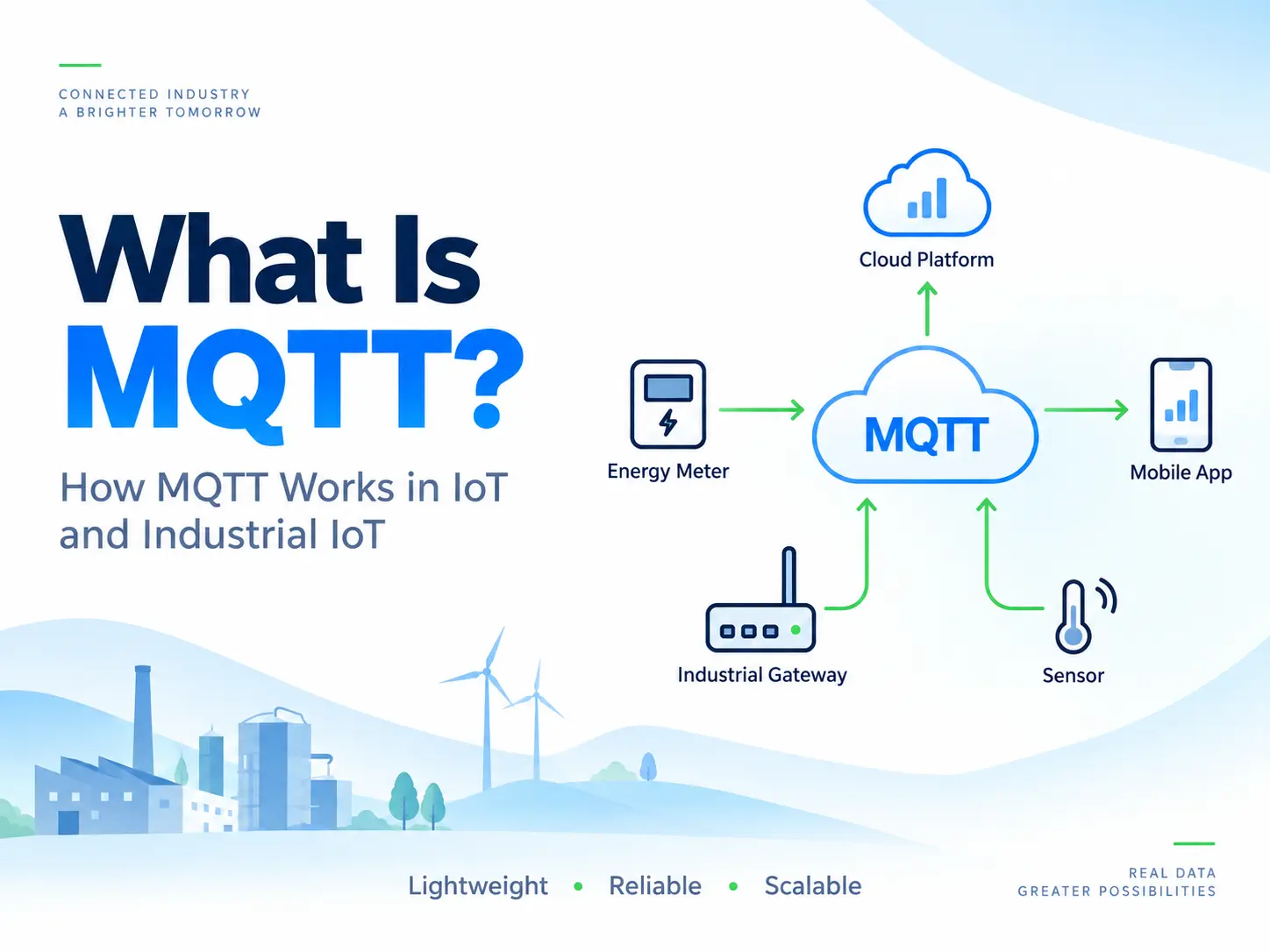
·Sensors → RS485 → Gateway → MQTT → Cloud Platform
·PLC → Edge Gateway → SCADA System
·LoRa Sensors → LoRaWAN Gateway → IoT Platform
This architecture allows industrial devices using traditional protocols to connect to modern cloud systems efficiently.
Step 1: Choose the Right Communication Interface
The first step is identifying how your devices communicate with the gateway.
RS485 for Sensors and Meters
RS485 is one of the most commonly used industrial communication interfaces. It is widely used for:
·Temperature and humidity sensors
·Power meters
·Water meters
·Industrial transmitters
For most industrial data collection projects, RS485 gateways are usually the most practical option.
In real industrial environments, RS485 is preferred because of its strong anti-interference capability and long communication distance compared with consumer-grade communication methods.
Ethernet for PLC Systems
For PLC-based automation systems, choose gateways with both Ethernet and serial interfaces.
This configuration is commonly used for:
·PLC remote monitoring
·SCADA integration
·Industrial automation upgrades
·Pump control systems
Projects involving Siemens, Mitsubishi, or Omron PLCs may also require manufacturer-specific protocol support.
4G/5G for Remote Outdoor Deployments
If no wired network is available on-site, 4G or 5G industrial gateways are typically the best option.
Common applications include:
·Smart agriculture
·Construction sites
·Remote pumping stations
·Outdoor environmental monitoring
In many industrial projects, WiFi becomes unstable once long distances, metal equipment, or electrical interference are involved. For outdoor installations, 4G communication is usually more reliable and easier to deploy.
LoRaWAN for Long-Range Low-Power Networking
LoRaWAN gateways are suitable for applications requiring:
·Long-distance communication
·Low power consumption
·Large-scale sensor deployments
Typical applications include:
·Smart farming
·Environmental sensing
·Smart campus systems
·Distributed wireless monitoring
WiFi for Small Indoor Deployments
WiFi gateways are suitable for short-distance indoor applications where wiring is inconvenient and environmental interference is limited.
However, WiFi is generally not recommended for large industrial facilities or outdoor deployments requiring high reliability.
Step 2: Confirm Device Protocol Compatibility
Protocol compatibility is one of the most important considerations when selecting an industrial IoT gateway.
Modbus RTU/TCP
Modbus remains one of the most widely used industrial communication protocols worldwide.
Gateways supporting:
·Modbus RTU
·Modbus ASCII
·Modbus TCP
can integrate with most industrial devices without extensive customization.
For beginners, choosing a Modbus-compatible gateway is usually the safest and most flexible approach.
Metering Protocols
Energy monitoring systems may require support for protocols such as:
·DL/T645
·IEC standards
·Custom meter communication protocols
Always confirm protocol compatibility before deployment to avoid integration issues later.
PLC-Specific Protocols
Some industrial automation projects require support for PLC-specific communication protocols, including:
·Siemens S7
·Mitsubishi PLC communication
·Omron FINS
For industrial control projects involving remote operations, protocol support should be verified during the planning stage.
Step 3: Select the Appropriate Internet Connectivity
The next step is determining how the gateway will access the internet or cloud platform.
Whenever wired infrastructure is available, Ethernet remains the most stable and cost-effective solution for industrial communication.
Recommended Gateway Types by Application
Different industrial applications require different gateway capabilities. Some projects prioritize remote communication, while others focus on edge computing, protocol conversion, or local automation.
You can browse the Industrial IoT Gateway Product Center to compare industrial gateway models designed for smart agriculture, industrial automation, remote monitoring, and edge computing applications.
Smart Agriculture and Greenhouses
Recommended configuration:
·4G industrial gateway
·RS485 interface
·Modbus RTU support
·Wide operating temperature range
Typical applications include:
·Irrigation systems
·Soil monitoring
·Greenhouse temperature and humidity collection
Low-power industrial gateways are especially suitable for remote agricultural deployments.
Construction Site and Energy Monitoring
For construction sites and energy management systems, edge gateways with local storage are recommended.
Important features include:
·Offline data caching
·Alarm notifications
·Cloud platform integration
·Remote monitoring capability
Gateways supporting power-loss data protection can help reduce the risk of data interruption.
Industrial Automation and Pump Control
Industrial automation projects often require gateways supporting:
·PLC communication
·Remote command execution
·Edge computing
·Remote parameter configuration
·These functions are commonly used in:
·Pump station management
· Constant-pressure water supply systems
·Industrial equipment upgrades
Server Room and Cabinet Monitoring
Recommended configuration:
·2–4 RS485 ports
·Ethernet connectivity
·Multi-device polling support
Typical monitoring targets include:
·UPS systems
·Power distribution equipment
·Environmental sensors
·Smart cabinets
Wireless Sensor Networks
LoRaWAN gateways are ideal for distributed wireless monitoring systems where:
·Wiring is difficult
·Long-distance communication is required
·Low power consumption is important
Important Hardware Specifications to Check
Before purchasing an industrial IoT gateway, review the following hardware specifications carefully.
Operating Temperature
Industrial environments can vary significantly.
For outdoor deployments, industrial-grade wide-temperature models are strongly recommended, typically supporting:
·-40°C to 85°C
These gateways provide better stability in harsh environments.
Number of Serial Ports
The required number of RS485 ports depends on the number of connected devices.
Typical recommendations:
·1 port for small projects
·2–4 ports for multi-device deployments
Power Supply Range
Most industrial gateways support:
·DC 9–36V input
This improves compatibility with industrial power systems and control cabinets.
Edge Computing Capability
If local automation or real-time control is required, choose an edge computing gateway.
Edge gateways can:
·Process data locally
·Reduce cloud bandwidth usage
·Improve response speed
·Continue operating during temporary network failures
Cloud Platform Compatibility
Modern industrial systems often require cloud integration.
Check whether the gateway supports:
·MQTT
·HTTP/HTTPS
·AWS IoT
·Azure IoT
·Node-RED
Cloud compatibility can significantly simplify deployment and remote management.
Security Considerations
Industrial cybersecurity is becoming increasingly important as more industrial systems connect to cloud platforms.
For remote deployments, choose gateways supporting:
·VPN
·TLS/SSL encryption
·Firewall protection
·Secure remote access
Industrial-grade gateways designed for critical infrastructure environments typically provide higher communication reliability and security than consumer networking devices.
Common Mistakes to Avoid
Using Consumer Routers in Industrial Environments
Home networking devices are not designed for industrial conditions.
Industrial IoT gateways provide:
·Better anti-interference capability
·Wider operating temperature support
·Higher long-term reliability
·Improved industrial stability
Using WiFi for Long-Distance Communication
For communication distances exceeding 100 meters, 4G or LoRaWAN solutions are usually more reliable than WiFi.
Long-distance WiFi deployments often experience:
·Signal instability
·Frequent disconnections
·Environmental interference
Ignoring Remote Control Requirements
Some gateways only support data collection and cannot issue remote control commands.
If your application requires:
·Remote start/stop
·Equipment control
·Parameter modification
Make sure the gateway supports bidirectional communication and remote command execution.
FAQ About Industrial IoT Gateways
What is the difference between an IoT gateway and an edge gateway?
An IoT gateway mainly focuses on communication and protocol conversion, while an edge gateway also supports local data processing, automation logic, and real-time control functions.
Is 4G better than WiFi for industrial monitoring?
In most outdoor or industrial environments, 4G communication is more stable and reliable than WiFi, especially for long-distance deployments.
Can Modbus RTU devices connect to cloud platforms?
Yes. Industrial IoT gateways can convert Modbus RTU data into MQTT, HTTP, or other cloud-compatible protocols for remote monitoring.
How many RS485 devices can one gateway support?
The number depends on the gateway hardware and communication configuration. In practical deployments, one RS485 bus may support dozens of devices when designed correctly.
What protocols should an industrial gateway support?
For most industrial projects, support for Modbus RTU/TCP, MQTT, and common PLC protocols provides good compatibility and future scalability.
Quick Industrial IoT Gateway Selection Checklist
Use the following checklist as a quick reference:
·RS485 for sensors and meters
·Ethernet for PLC integration
·4G for remote outdoor deployments
·LoRaWAN for long-range low-power networking
·Wide-temperature models for outdoor environments
·Edge gateways for local automation
·MQTT-compatible gateways for cloud integration
Final Thoughts
Choosing the right industrial IoT gateway does not need to be complicated. By focusing on:
·Communication interfaces
·Protocol compatibility
·Connectivity methods
·Deployment environment
·Remote control requirements
You can quickly narrow down the most suitable solution for your application.
For most industrial projects, starting with a reliable gateway supporting RS485, Modbus, Ethernet, and optional 4G communication is usually the most practical approach.
As industrial IoT deployments continue to expand, selecting scalable and industrial-grade gateway hardware becomes increasingly important for long-term stability, remote maintenance, and operational efficiency.
Need help selecting the right industrial IoT gateway for your application?
Visit the Heyuan Intelligence Industrial Gateway Series to explore industrial gateway solutions for automation, remote monitoring, edge computing, and industrial communication projects.

Share




Leave a Message
Your email address will not be published.
Posts

Products